
Granada is one of Spain’s most fascinating gastronomic cities. Here, Andalusian traditions blend with Arab heritage, while the culture of tapas remains part of everyday life. Many visitors come for the Alhambra and the historic neighbourhoods, but quickly discover that it is impossible to truly experience Granada without exploring its local cuisine.
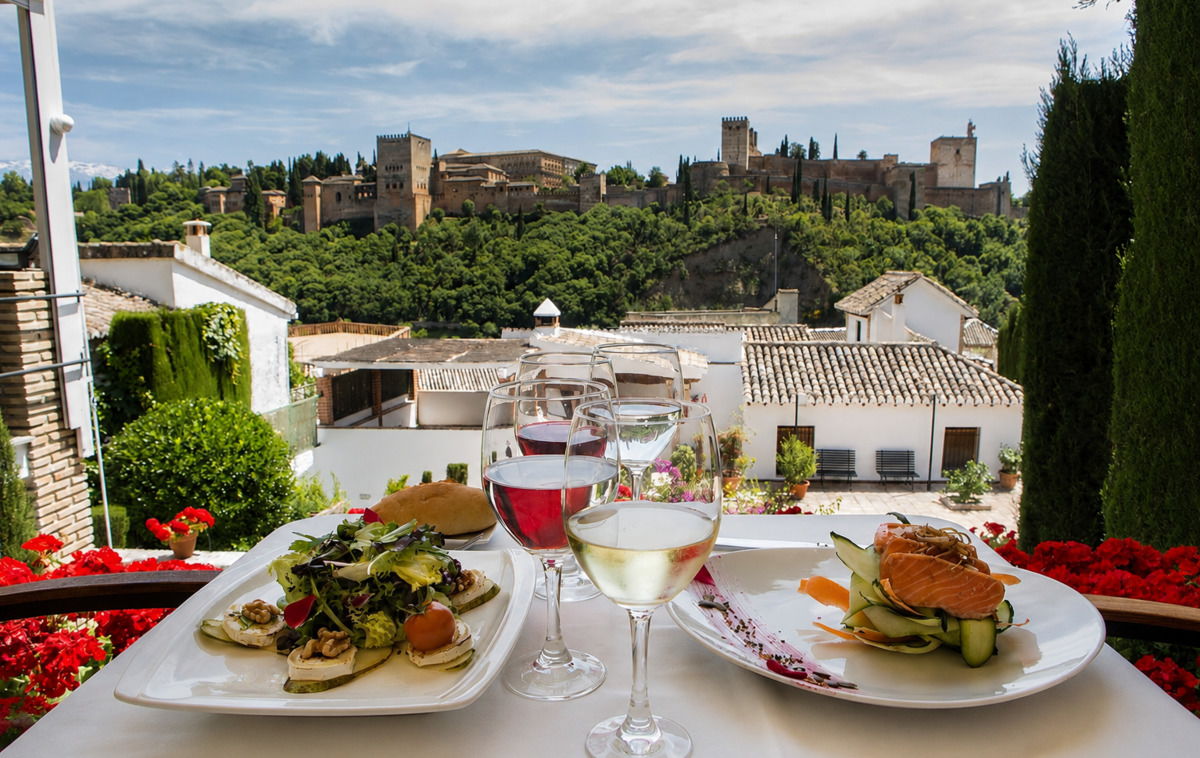
If you are planning a trip and wondering where to eat in Granada and what to try, this guide will help you discover the city’s gastronomic districts, introduce you to traditional dishes and show you where to experience the atmosphere of local life at its best.
From the lively tapas bars of the historic centre to the charming restaurants of Albaicín overlooking the Alhambra, Granada’s gastronomy often becomes just as memorable a part of the journey as its famous attractions.
- What to Try in Granada — traditional dishes, local recipes and the city’s gastronomic symbols.
- Tapas Bars and the Culture of Free Tapas — one of Granada’s most famous gastronomic traditions.
- Where to Eat in the Historic Centre — tapas bars, traditional taverns and lively squares.
- Where to Eat in Albaicín — atmospheric bars and restaurants among the historic Arab streets.
- Granada’s Food Markets and Gastronomic Spaces — San Agustín Market, modern food projects and local delicacies.
- Traditional Sweets and Drinks of Granada — pionono, Arab desserts, Alhambra beer and local beverages.
What to Try in Granada
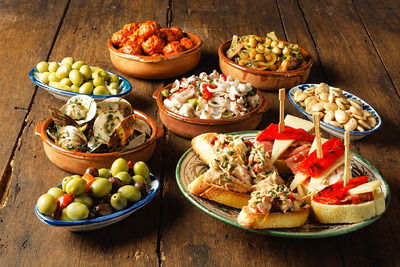
Of course, the first thing you should try in Granada is its famous tapas. Unlike in many Spanish cities, numerous establishments here still serve a complimentary tapa with every drink. And these are not limited to olives or nuts—often they are generous mini-portions of local dishes.
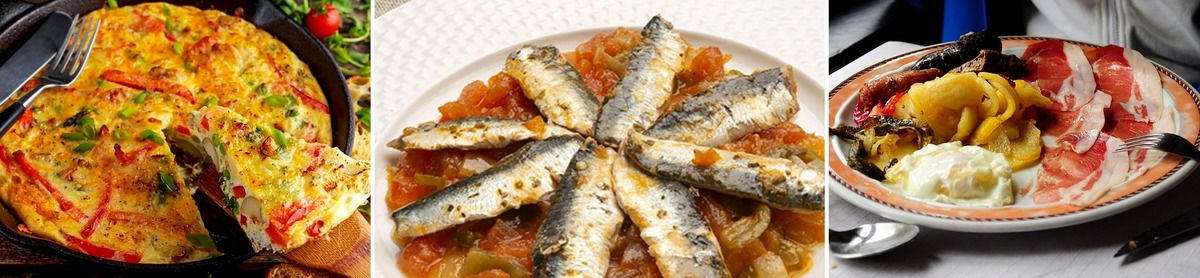
Among the traditional hot dishes, a special place is held by Tortilla del Sacromonte, an unusual omelette that originated in the famous Sacromonte district. Another dish worth trying is Plato Alpujarreño, one of the most substantial dishes in Granada Province, usually prepared with potatoes, jamón, chorizo, morcilla and a fried egg.
For those who enjoy fresh flavours, Remojón Granadino is highly recommended—a traditional salad made with oranges, cod, olives and onions. It is one of the most recognisable dishes of the local cuisine and clearly reflects the city’s Arab influence. In some restaurants, you may also find Ensalada de Zalamandroña, another regional salad based on vegetables and olive oil.
Despite its distance from the coast, fish and seafood dishes are very popular in Granada. One of the most interesting is Moraga de sardinas, a traditional dish of Arab origin prepared with sardines stewed in a vegetable sofrito of onions, garlic, peppers and tomatoes, combined with white wine, lemon juice and spices. The combination of fish, vegetables and aromatic seasonings creates a dish that is both light and full of flavour.
For dessert, you should definitely try the famous Pionono, a small sponge cake filled with cream that is considered the gastronomic symbol of Granada Province. Many local sweets are prepared using honey, almonds and cinnamon, which also reflect the region’s centuries-old Arab heritage.
Tapas Bars and the Culture of Free Tapas
In many Spanish cities, tapas are ordered separately, but Granada has preserved a unique tradition. In many bars, a complimentary tapa is still served with every drink ordered, which is why the city is considered one of the best places in Spain to experience tapas culture.

It is believed that this tradition originated as a way of attracting customers and gradually became an integral part of the city’s culture. Today, for many residents of Granada, an evening spent in tapas bars is not simply about dinner but a way to meet friends, socialise and enjoy moving from one establishment to another.
What makes Granada particularly special is that the tapas here are often far more generous than in other parts of Spain. Instead of a few olives or a small piece of cheese, guests may be served a mini burger, paella, jamón, potatoes with sauce, grilled meat or a small portion of traditional Andalusian dishes.
As a result, many travellers turn their evening into a true gastronomic tour: they order a drink in one bar, enjoy the tapa, then move on to another venue and try something different. In a single evening, this approach allows visitors to experience local cuisine far better than during one full restaurant meal.
It is important to remember that traditions vary from one establishment to another. In some places, visitors choose their tapa, while in others the bar decides what will be served. This is precisely why every stop becomes a small surprise and part of the gastronomic experience that attracts so many travellers to Granada.
Where to Eat in the Historic Centre
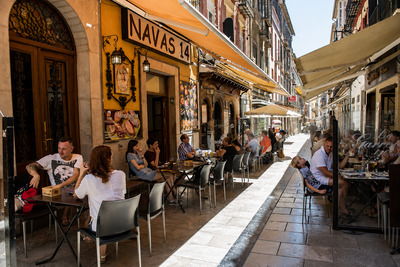
The historic centre is considered the main area for discovering the local gastronomy. This is where most of the traditional tapas bars, old wine taverns and establishments frequented not only by tourists but also by local residents are located.
The best-known food street in the city centre is Calle Navas. This relatively small street has long earned an unofficial reputation as one of Granada’s main tapas streets. Bars and taverns line almost its entire length, making it difficult to find a free table in the evening. Many visitors begin their introduction to Granada’s free tapas culture here.
The city’s gastronomic life extends far beyond Calle Navas. It is also worth exploring the area around Plaza Nueva, home to historic taverns and traditional bars, as well as the district surrounding Granada Cathedral and Plaza Bib-Rambla. These areas are ideal for stopping for lunch after exploring the historic centre and sampling both classic tapas and more traditional dishes from Granada’s cuisine.
Wine lovers and those who enjoy relaxed evenings will appreciate the streets of San Matías, Rosario and the surrounding lanes near the Town Hall. This district is considered one of the centres of Granada’s evening life and is particularly well suited to a gastronomic walk with stops at several bars along the way.
The historic centre is especially well suited to the tradition of tapear — Granada’s custom of moving from one bar to another while sampling different tapas and drinks. It is here that visitors can most easily experience the gastronomic atmosphere that has made Granada one of Spain’s most interesting cities for lovers of local cuisine.
Where to Eat in Albaicín
Albaicín is one of Granada’s most atmospheric districts and an excellent place to discover the local food. Its narrow cobbled streets, whitewashed houses and numerous viewpoints create a unique setting where an ordinary dinner can easily become one of the most memorable experiences of a trip.
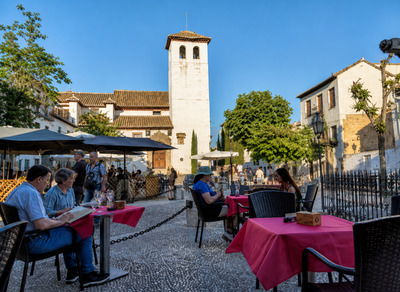
The highest concentration of restaurants, tapas bars and small taverns can be found around Plaza Larga, one of Albaicín’s main squares. It is an ideal place to stop after exploring the neighbourhood and sample both traditional tapas and dishes from Granada’s cuisine.
Another popular gastronomic area is the district surrounding Mirador de San Nicolás. Many establishments have terraces overlooking the Alhambra, making it particularly enjoyable to visit in the evening when the palaces are illuminated by the setting sun.
Along the route from Plaza Nueva to the upper part of Albaicín, visitors will also find numerous small bars and restaurants where they can try Tortilla del Sacromonte, Remojón Granadino, lamb dishes and traditional Andalusian appetisers.
While the historic centre is ideal for discovering tapas culture, Albaicín is better suited to a more leisurely dinner and long walks. Here, the focus is less on the number of establishments and more on the atmosphere of old Granada, preserved among Arab streets, whitewashed houses and viewpoints overlooking the Alhambra.
Granada’s Food Markets and Gastronomic Spaces
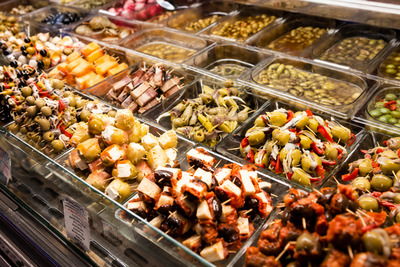
In addition to tapas bars and traditional restaurants, Granada’s gastronomy can also be discovered through its local markets and modern food halls. These places provide an excellent insight into the diversity of local cuisine, from traditional Andalusian products to contemporary interpretations of classic dishes.
The city’s best-known food market is Mercado San Agustín, located close to Granada Cathedral. Here, visitors can find local cheeses, jamón, olives, fresh vegetables, spices and other products that form the foundation of the cuisine of Granada and Andalusia as a whole.
Those interested in exploring the city’s more modern gastronomic scene should take a look at venues such as BOKA Espacio Gastronómico and Lemon Rock. These spaces combine gastronomy, cultural events and atmospheric courtyards, demonstrating how Granada’s traditions blend with contemporary leisure concepts.
Places like these reveal another side of modern Granada, where centuries-old culinary traditions coexist with innovative gastronomic projects and creative culinary concepts.
Traditional Sweets and Drinks of Granada
Granada is known not only for its tapas and traditional dishes but also for its desserts. Many local sweets still reflect the influence of Arab cuisine, preserved since the days of Al-Andalus. Almonds, honey, cinnamon, anise and various spices remain an important part of the local confectionery tradition.

The most famous dessert in the province is Pionono de Santa Fe. This small sponge cake soaked in syrup and topped with a delicate cinnamon-flavoured cream has long become a gastronomic symbol of Granada. Its origins are linked to the town of Santa Fe, located near Granada, and the dessert is so popular that it can be found in almost every local pastry shop.
Lovers of traditional pastries should also look out for borrachuelos from the Alpujarra region, prepared with wine, honey and olive oil, as well as various almond-based sweets and Moorish desserts that preserve the region’s Arab culinary heritage. Such treats are especially common in small family-run bakeries and during local festivals.
The culture of drinks in Granada is equally interesting. Like the city’s cuisine, it has been shaped by different eras and traditions, ranging from local winemaking to modern brewing brands known far beyond Andalusia.
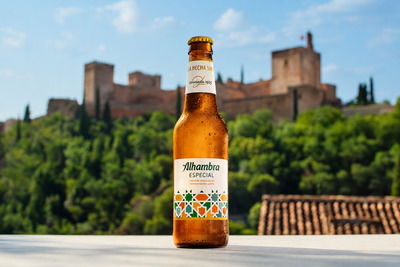
Among beverages, Alhambra beer enjoys particular popularity. Brewed in Granada since 1925, it has long become one of the city’s symbols. On the terraces of the historic centre and in tapas bars, it is almost as common as the city’s famous complimentary tapas. The variety Alhambra Reserva 1925 is especially well known and is regarded as one of the flagship products of Granada’s brewing tradition.
Wine enthusiasts should also explore local Andalusian wines, vermouths and the refreshing tinto de verano. Unlike sangria, this light drink made from red wine and sparkling lemonade is considered a more traditional choice among residents of southern Spain and is particularly popular during the hot summer months.
Special mention should also be given to the rum produced in Motril. Sugar cane was cultivated along the Costa Tropical for several centuries, creating a local rum-making tradition that continues to this day.
Continue Your Gastronomic Journey Through Spain
If you are interested in Spanish cuisine and the gastronomic traditions of the country’s different regions, we also recommend the following articles:
- Traditional Andalusian Food — the most famous dishes of southern Spain, local products and the gastronomic traditions of the region.
- Traditional Spanish Dishes — what tourists should try in Spain and which dishes are considered the country’s culinary icons.
- Traditional Drinks of Spain — popular alcoholic and non-alcoholic beverages from different regions of the country.
- Markets in Spain — the country’s most famous markets and the distinctive features of Spanish gastronomic culture.
- Where to Eat in Madrid and What to Try — tapas bars, gastronomic districts and traditional dishes of the Spanish capital.
- Gastronomic Markets in Madrid — the best markets in the capital for discovering local products and cuisine.
- Markets in Granada — food markets, gastronomic spaces and shopping districts of the city.

 English
  Español
  Русский