
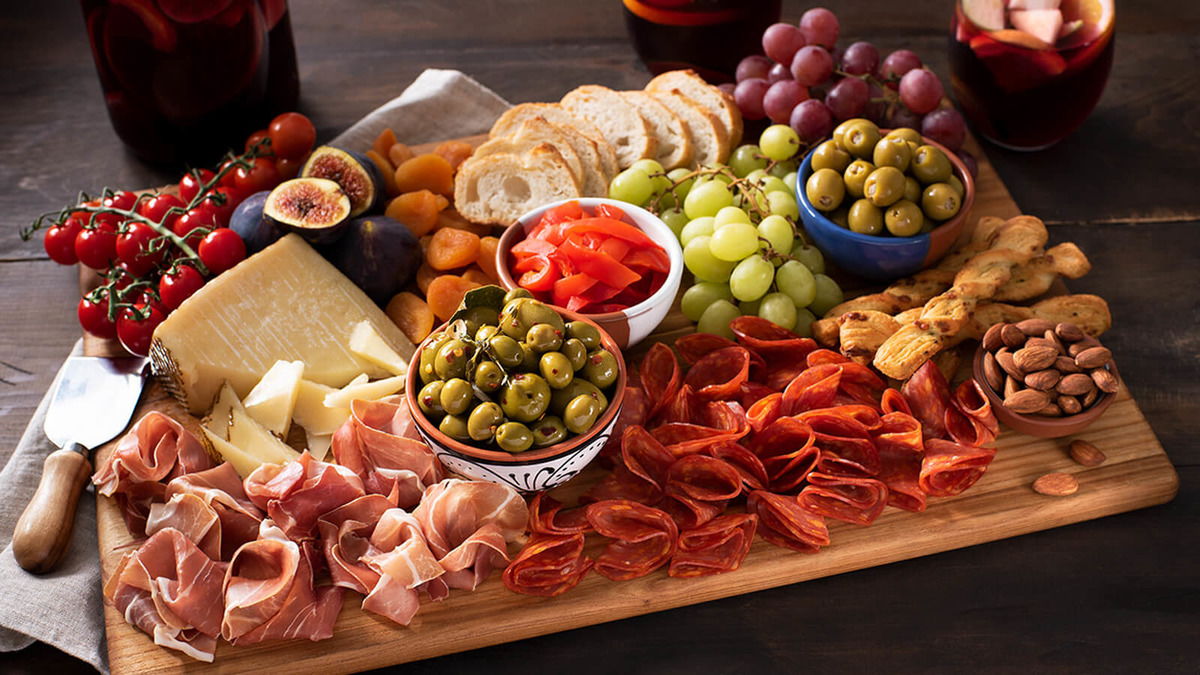
Madrid is not only about museums, architecture and evening walks through historic districts, but also about a genuine gastronomic culture that is best experienced by visiting the city’s food markets. It is here that you can sample local delicacies, tapas, seafood, local drinks, as well as traditional dishes.
Below you will find the best food markets in Madrid — from classic municipal markets and gastronomic spaces to modern food halls and vibrant culinary venues where you can enjoy excellent food at relatively affordable prices.
- Mercado de San Miguel — Madrid’s most famous gastronomic venue
- Bernabéu Market — the city’s new gastronomic hub
- Mercado de San Antón — a market with a terrace and restaurants
- Mercado de San Ildefonso — a modern food hall in Malasaña
- Mercado de la Paz — the classic market of the Salamanca district
- Mercado de la Cebada — the traditional market of La Latina
- Mercado Vallehermoso — a food market popular with local residents
- Mercado de San Fernando — an authentic market in the Lavapiés district
- Mercado de Maravillas — Madrid’s largest municipal market
- Which Food Market to Choose in Madrid
The Best Food Markets in Madrid
Each of Madrid’s markets has its own character. Some have long become iconic landmarks and feature in almost every tourist itinerary, while others remain favourite places among Madrileños themselves.
Mercado de San Miguel — A Gastronomic Classic Near Plaza Mayor
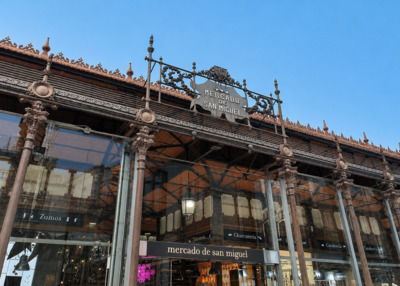
Mercado de San Miguel is one of Madrid’s most famous food attractions and one of the most popular markets in Spain. Many visitors head here on their very first day in the city. Located just a few steps from Plaza Mayor, it occupies a beautiful historic glass-and-metal building that is itself considered one of the architectural gems of the city centre.
Following a major renovation, the market reopened in February 2026. During the restoration, the structure was reinforced, the roof was renovated and the historic appearance of the early twentieth-century building was carefully preserved. At the same time, the atmosphere remains unchanged: visitors can enjoy dozens of gastronomic stalls offering tapas, jamón, seafood, cheeses, desserts and Spanish wines.
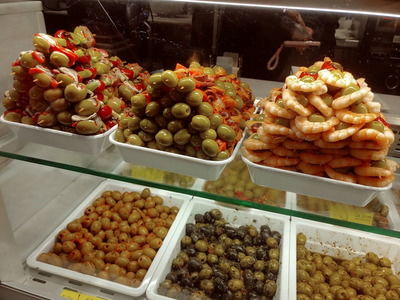
Mercado de San Miguel is not so much a market in the traditional sense as a large gastronomic space where you can enjoy a genuine culinary tour of Spain. It is the perfect place to sample several varieties of tapas, order a glass of vermouth or wine and simply soak up the lively atmosphere of one of the city’s most visited locations.
Important: the market remains extremely popular with tourists, so prices here are noticeably higher than the city average, and it can become very crowded at lunchtime and in the evening. The best time to visit is in the morning or shortly after opening. If you are looking for a more authentic market frequented by local residents, it is also worth considering Mercado de Maravillas or Mercado de San Fernando. However, for a first introduction to Madrid’s food culture, San Miguel is almost impossible to beat.
💡 If you enjoy discovering new restaurants, bars and food districts while travelling, we also recommend taking a look at our guide “Where to Eat in Madrid and What to Try”, which features the city’s best gastronomic neighbourhoods and interesting places to experience Madrid’s culinary culture.
Bernabéu Market — Madrid’s New Gastronomic Hub
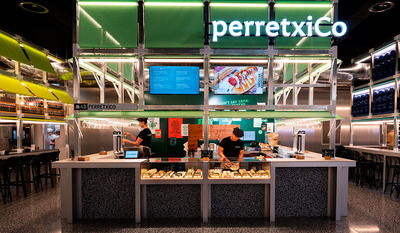
Opened in 2025, Bernabéu Market has quickly become one of Madrid’s most talked-about gastronomic projects. Located beneath the legendary Santiago Bernabéu stadium, it reflects the city’s new identity — modern, international and open to gastronomic experimentation.
Unlike traditional markets with rows of stalls and grocery vendors, Bernabéu Market resembles a stylish urban food hall. Under one roof, visitors will find more than 17 gastronomic concepts, ranging from the famous tortilla by Casa Dani, Joselito jamón and fresh oysters to Italian, Asian and contemporary street food. The venue covers approximately 3,000 m² and is located near Gate 45 of the stadium.
The atmosphere is enhanced by open leisure areas, gastro-bars and social spaces designed for gatherings. Visitors include not only tourists but also Madrileños themselves, who come for a late lunch, an evening aperitif or dinner with friends after work. Even if football is not your interest, the market offers an opportunity to experience the energetic rhythm of one of the capital’s most modern districts.
🍺 There are dedicated areas serving craft beer and signature drinks, while the range of cuisines is so diverse that every visitor can create their own gastronomic route in a single visit.
Good to know: Bernabéu Market is open daily, although opening hours may vary on match days. Prices are generally above the city average, but this is balanced by the quality of the venues, the modern concept and the extensive choice of dishes. If you would like to see what twenty-first-century gastronomic Madrid looks like, this is one of the most interesting places to visit.
Mercado de San Antón — A Food Market with a Rooftop Terrace Above Chueca
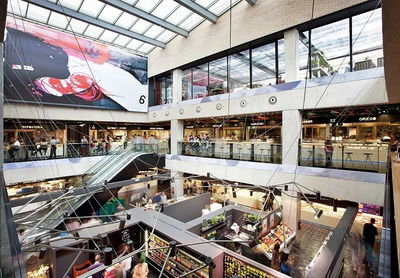
In the heart of the lively Chueca district stands Mercado de San Antón, one of Madrid’s most stylish food markets. The venue perfectly reflects the character of the neighbourhood: modern, open and full of life. People come here not only to shop but also to enjoy the atmosphere of relaxed urban living.
The lower floors of the market feature stalls selling fresh fruit, cheeses, jamón, cured meats, seafood and products from around the world. It is easy to spend time wandering from one counter to another while sampling small bites along the way. In addition to Spanish cuisine, the market hosts international gastronomic concepts, ranging from sushi and Asian dishes to burgers and modern tapas.
The market’s main attraction is located on the top floor. Here you will find a popular rooftop terrace with a restaurant and bar offering views across the rooftops of Chueca. In the evening, the atmosphere becomes particularly enjoyable as locals and visitors gather over a glass of wine, vermouth or a cocktail after exploring the city centre.
Unlike traditional municipal markets, San Antón feels more like a modern gastronomic centre. It is an excellent place for a late breakfast, a long lunch or a leisurely aperitif before an evening stroll through Madrid.
Good to know: prices here are also slightly above the city average, but the market makes up for this with its convenient location, variety of cuisines and one of the most pleasant terraces among Madrid’s gastronomic venues. If you would like to combine good food, atmosphere and attractive city views, Mercado de San Antón is one of the best choices.
Mercado de San Ildefonso — The Gastronomic Heart of Malasaña
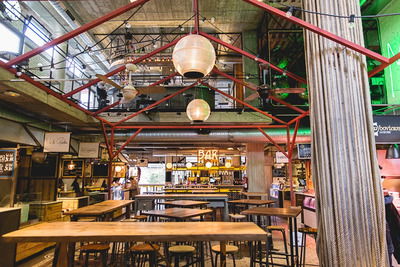
Located in one of Madrid’s most atmospheric districts — Malasaña, Mercado de San Ildefonso resembles a year-round urban food festival more than a traditional market. There are no classic produce stalls or historic shops here; instead, visitors are greeted by dozens of gastronomic concepts, contemporary design and a lively youthful atmosphere.
Spread across several levels, the market features venues serving cuisines from around the world. Here you can sample Spanish tapas, Mexican tacos, Asian dishes, burgers, vegan snacks and innovative culinary creations. This format is particularly popular with groups of travellers, as everyone can choose something to suit their own taste while still sharing the same table.
Mercado de San Ildefonso has long been a popular meeting place for Malasaña residents. Evenings are especially lively, with music, cultural events and bars serving craft beer, cocktails and aperitifs. As a result, the market maintains a relaxed atmosphere and feels more like a modern social space than a traditional marketplace.
The district of Malasaña itself adds a special charm. One of the capital’s most creative and unconventional neighbourhoods, it is the perfect place for a stroll after visiting the market. Visitors can explore independent shops, bookshops and cosy cafés for which this corner of Madrid is well known.
Good to know: prices here are generally in line with the average for the city centre. Mercado de San Ildefonso is an excellent choice for those who would like to step away from the classic tourist routes and discover a more modern, youthful and cosmopolitan side of Madrid.
Mercado de la Paz — Gastronomic Traditions in the Salamanca District
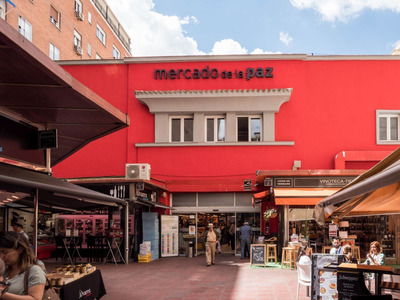
Mercado de la Paz is one of Madrid’s oldest markets, operating since 1882 in the prestigious Salamanca district. Unlike many modern gastronomic venues, it has preserved the atmosphere of a classic city market, where quality products and long-standing family traditions take precedence over designer interiors.
Beneath its historic metal roof are dozens of specialised stalls selling jamón, cured meats, cheeses, fresh fish, seafood, delicatessen products and seasonal ingredients from across Spain. Many of these businesses have been operating here for generations and enjoy the trust of local residents.
It is particularly enjoyable to visit in the morning, when locals are shopping for lunch and traders happily chat with their regular customers. The atmosphere at Mercado de la Paz differs noticeably from the popular tourist markets in the city centre: there is less bustle, more tranquillity and a genuine sense of everyday life in Madrid.
In addition to its food stalls, the market is home to gastro-bars and small tapas venues where visitors can enjoy a light meal, sample Spanish cheeses, jamón or fresh seafood accompanied by a glass of wine. It is one of those places where gastronomy remains part of local culture rather than becoming a tourist attraction.
Interesting fact: Salamanca is considered one of the most elegant districts of the capital, and Mercado de la Paz reflects its character perfectly — calm, refined and focused on quality. Prices here may be slightly above the city average, but the standard of products and service fully matches the district’s reputation.
If you would like to see where Madrileños buy their food, sample high-quality Spanish delicacies and experience the more refined side of gastronomic Madrid, Mercado de la Paz is one of the best choices.
Mercado de la Cebada — A Traditional Market in the Heart of La Latina
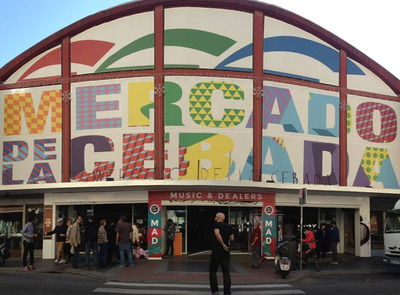
Located in the historic La Latina district, known for its old streets, tapas bars and lively atmosphere, Mercado de la Cebada is one of Madrid’s most authentic markets. It is a place where the tourist centre gradually gives way to everyday city life, and where regular customers from neighbouring streets can still be seen shopping at the stalls.
The market is renowned for its excellent selection of fresh fish and seafood, delivered daily. Some of the gastronomic stalls prepare products on the spot, allowing visitors to sample oysters, prawns, calamari and other Spanish delicacies without needing to reserve a table at a restaurant.
In addition to its fish stalls, the market is home to vendors selling fruit, vegetables, cheeses, jamón and traditional products from across Spain. Prices are generally more affordable than at the popular tourist-oriented venues in the city centre, making the market popular both with local residents and with travellers who want to experience a more authentic side of Madrid.
Weekends are particularly lively here. Many Madrileños begin the day with a stroll through La Latina, stop by the market for snacks and meet friends over a glass of wine or vermouth. As a result, Mercado de la Cebada offers visitors the opportunity to experience the relaxed rhythm of city life that is often difficult to find in more tourist-oriented areas.
Interesting fact: the market takes its name from the historic Plaza de la Cebada, which served as an important trading centre in Madrid for centuries. The commercial traditions of this area have been preserved for hundreds of years, and the market remains an important part of local life to this day.
If you would like to combine a walk through one of the capital’s most colourful districts with a tasting of seafood, tapas and local delicacies, Mercado de la Cebada makes an excellent stop during your exploration of Madrid.
Mercado Vallehermoso — The Favourite Market of Chamberí Residents
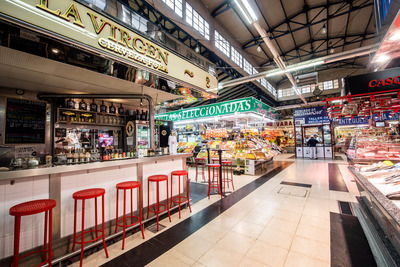
While Mercado de San Miguel has long become a tourist attraction, Mercado Vallehermoso in the Chamberí district remains one of those places where Madrid’s gastronomic life continues at a pace familiar to local residents. It is a new-generation market that has managed to preserve its traditional trading stalls while also transforming into a popular gastronomic destination.
Traditional butcher’s shops, fishmongers, cheesemongers and greengrocers still operate here, but increasing attention is being drawn to the small gastronomic projects located throughout the market. Visitors can sample Spanish cheeses, jamón, seafood, signature snacks, local sweets and contemporary Spanish dishes without straying far from the traditional stalls.
The defining feature of Mercado Vallehermoso is its atmosphere. Large tourist groups are rarely seen here; instead, it is common to encounter local residents shopping for groceries, meeting friends over a glass of wine or staying for lunch after visiting the market. This gives the venue a natural and lively character rather than the feeling of a place designed specifically for tourists.
Chamberí is considered one of the most pleasant districts in which to live in Madrid, and the market reflects its character well — calm, modern and slightly less hectic than the city centre. It is an excellent destination for those who want to experience the capital’s everyday gastronomic culture without crowds or queues.
Interesting: in recent years, Mercado Vallehermoso has become one of the symbols of the revival of Madrid’s municipal markets. Instead of competing with supermarkets, it focused on high-quality products, local producers and small gastronomic projects, which has helped it regain popularity among city residents.
Mercado de San Fernando — The Authentic Market of Lavapiés
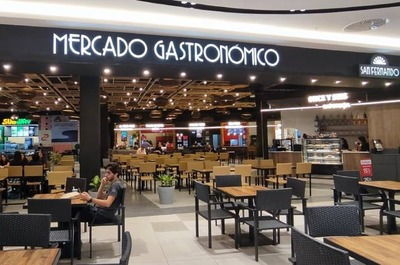
If you would like to see Madrid as local residents know it, it is worth visiting Mercado de San Fernando in the colourful Lavapiés district. This market rarely appears on standard tourist itineraries, but for that very reason many consider it one of the city’s most interesting food destinations.
Opened in the first half of the twentieth century, the market has retained its original function — local residents still come here to buy fresh produce. In recent years, however, traditional butcher’s shops, fishmongers and greengrocers have been joined by small gastronomic projects, cafés, wine bars and venues serving cuisines from around the world.
Lavapiés is considered Madrid’s most multicultural district, and this is clearly reflected in the atmosphere of the market. Side by side, visitors can find Spanish cheeses and jamón, Latin American dishes, Middle Eastern spices, artisan products and innovative gastronomic concepts. This diversity makes every visit feel like a small journey through different parts of the world.
The special charm of Mercado de San Fernando lies in its relaxed and unpretentious atmosphere. There is no sense of a tourist attraction here: people come to shop, meet friends over a glass of wine, discuss local news and spend time much as they have done for decades. This is why the market is often recommended to those who want to experience a more authentic and vibrant side of Madrid.
Interesting fact: in recent years, the market has become one of the symbols of Lavapiés’ cultural revival. Many small family-run businesses have managed to preserve their place alongside modern gastronomic projects, creating a rare combination of tradition and urban creativity.
Compared with the popular food markets in the city centre, prices here are generally more affordable and there are significantly fewer tourists. If you would like to discover a lesser-known side of Madrid’s gastronomy and experience the rhythm of one of the capital’s most distinctive districts, Mercado de San Fernando is an excellent choice.
Mercado de Maravillas — The Largest Market and the Real Madrid Without Tourist Scenery
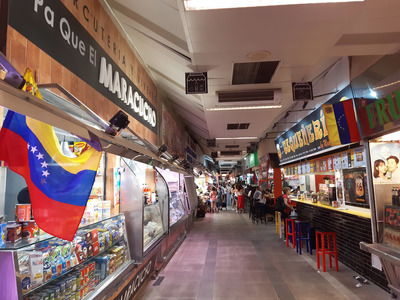
Mercado de Maravillas in the Tetuán district is one of Madrid’s largest municipal markets and arguably one of the city’s most underrated gastronomic destinations. Located just a few kilometres from the historic centre, it offers a completely different atmosphere: instead of tourist groups, you will find local residents carrying shopping bags, and instead of souvenir shops, hundreds of stalls selling products from around the world.
The market is home to more than 200 stalls. Visitors can find fresh fish and seafood, jamón, cheeses, cured meats, fruit and vegetables, as well as products that are rarely available at other Madrid markets. Thanks to the multicultural character of the district, the selection includes goods from Latin America, Asia, the Middle East and many other parts of the world.
Walking through Mercado de Maravillas, it is easy to notice just how diverse modern Madrid has become. Neighbouring stalls sell Spanish olives and Moroccan spices, exotic fruits from South America and Asian products purchased by local residents. This cultural mix makes the market particularly interesting not only for food lovers but also for those who enjoy observing everyday city life.
Unlike the popular food markets in the city centre, there is virtually no tourist mark-up here. This is one of the reasons why many restaurant owners, small bar operators and Madrileños themselves come here to buy fresh produce and quality delicacies at reasonable prices.
Interesting fact: the market was opened in the mid-twentieth century and gradually developed into one of the largest food centres in the Spanish capital. Today, it covers more than 8,000 m², and the number of stalls makes Mercado de Maravillas one of the largest urban markets in Europe.
If, after visiting San Miguel or San Antón, you would like to discover another side of the city — less tourist-oriented, more vibrant and more representative of everyday life — Mercado de Maravillas is the perfect way to conclude your gastronomic exploration of Madrid.
Which Food Market to Choose in Madrid
- For a first introduction to Madrid — Mercado de San Miguel.
- For modern gastronomy and a wide choice of cuisines — Bernabéu Market.
- For a beautiful terrace and an evening aperitif — Mercado de San Antón.
- For the youthful atmosphere of Malasaña — Mercado de San Ildefonso.
- For a classic market and high-quality delicacies — Mercado de la Paz.
- For seafood and a walk through La Latina — Mercado de la Cebada.
- To experience the everyday life of Madrileños — Mercado Vallehermoso.
- For the authentic atmosphere of Lavapiés — Mercado de San Fernando.
- For the widest selection of products and a non-tourist side of Madrid — Mercado de Maravillas.
What Else to Add to Your Madrid Experience
Food markets offer a glimpse into the everyday life of the Spanish capital, but Madrid is about far more than gastronomy alone. If you are planning to spend several days in the city, it is also worth exploring its attractions, routes and excursions beyond the centre.
- Madrid Attractions — the city’s main squares, museums, palaces, viewpoints and districts that are worth visiting during your first trip to the capital.
- Madrid Transport: Tickets, Zones and Fares — how to use the metro, buses and suburban trains to get around the city conveniently.
- Traditional Street Markets in Madrid — flea markets, neighbourhood markets and seasonal markets where you can discover another side of city life.
- Madrid Theme Parks and Amusement Parks — ideas for family outings, trips with children and active days beyond the city centre.
- Aranjuez and the Royal Palace — one of the most beautiful day trips from Madrid, featuring historic palaces and gardens.
- What to See in Toledo — the ancient capital of Spain, known for its unique blend of Christian, Muslim and Jewish heritage.
- Segovia: Main Attractions — the famous Roman aqueduct, the old town and one of the most beautiful castles in Spain.
- What to See in Ávila — medieval defensive walls and one of the best-preserved historic cities in Spain.

 English
  Español
  Русский