
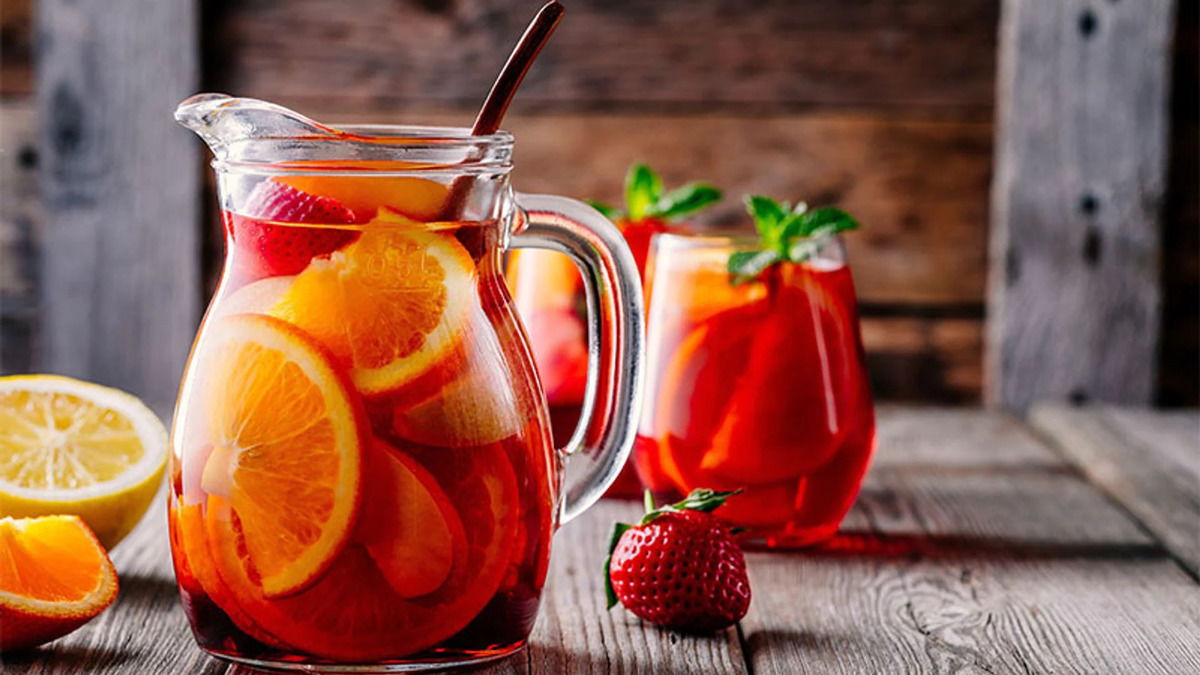
Traditional Drinks in Spain are an important part of the country's culture and everyday life. They accompany family lunches, gatherings with friends, celebrations, relaxing on terraces, and evenings spent in bars. For Spaniards, drinks are not only a way to quench their thirst but also an opportunity to spend time in good company, enjoying conversation and the atmosphere.
Different regions of Spain have their own gastronomic traditions and favourite drinks. Some are especially popular during the summer, others are traditionally served at festivals or family celebrations, while some have long become part of everyday life. Even phenomena such as the botellón reflect the important role that drinks play in modern Spanish culture.
Behind each of these drinks lie its own traditions, regional specialities, and small gastronomic discoveries. Let's begin with those that have long been an integral part of Spanish cuisine.
Spanish Alcoholic Drinks
Spain offers an enormous variety of traditional alcoholic drinks, reflecting the climate, history, and culinary traditions of its different regions.
From refreshing summer cocktails to fortified wines and regional liqueurs, each drink has its own place and occasion.
Wine (Vino)
Spanish wine (vino) deserves special attention, as it is one of the most important elements of the country's gastronomic culture. In Spain, many lunchtime meals are traditionally accompanied by a glass of wine — white, red, or rosé.
The country is one of the world's leading wine-producing nations, offering an enormous variety of grape varieties, wine regions, and styles. You can learn more about grape varieties, wine classifications, and Spain's wine-producing regions in our dedicated article about wine in Spain.
The alcohol content of most Spanish table wines is around 11–14%, although dessert and fortified wines can be considerably stronger. In restaurants and tapas bars, wine is most often served by the glass, making it easy to sample several different varieties and discover your favourite during your trip.
Each wine-producing region of Spain has its own traditions and local grape varieties. For example, Rioja is famous for its rich red wines, Ribera del Duero for its well-aged wines with deep flavours, while Galicia is renowned for its fresh Albariño white wines, which pair particularly well with seafood. This is why discovering Spanish cuisine is rarely complete without tasting the local wine.
Sangría
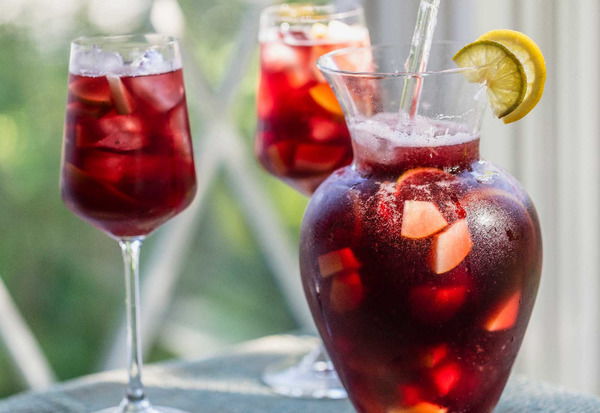
Sangría is one of Spain's best-known drinks, particularly popular with tourists. It is traditionally made with red wine, fresh fruit, sugar, ice, and sometimes a small amount of liqueur or brandy. In Spain, sangría is most commonly enjoyed during the warmer months and is usually ordered as a jug to share rather than by the glass.
The alcohol content of classic sangría is usually around 7–12%, although the exact strength depends on the recipe and the amount of alcohol added. Thanks to the fruit and ice, it is light and refreshing, making it a popular choice on terraces, during family lunches, or for evening get-togethers with friends.
Spaniards, however, tend to view sangría a little differently from tourists. In many regions, locals are more likely to choose a glass of wine or the summer favourite Tinto de Verano, while sangría remains especially popular with holidaymakers. Even so, it can be ordered by the jug in almost any restaurant or bar to share with friends.
Tinto de verano
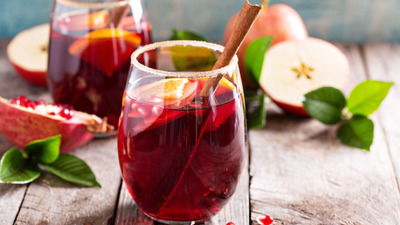
Tinto de Verano is a light and refreshing drink made with red wine and gaseosa — a sweet sparkling soft drink that is sometimes replaced with a lemon-flavoured fizzy drink (refresco de limón). It is considered a more everyday and typically local alternative to sangría. Particularly popular during the summer, it is usually served over ice with a slice of lemon.
Its light flavour and relatively low alcohol content make Tinto de Verano one of Spain's favourite summer drinks. It is often ordered with lunch, dinner on an outdoor terrace, or while meeting friends.
In many Spanish bars, Tinto de Verano is ordered even more frequently than sangría. For locals, it is a familiar summer drink that can be found in almost every café and restaurant.
Vermouth
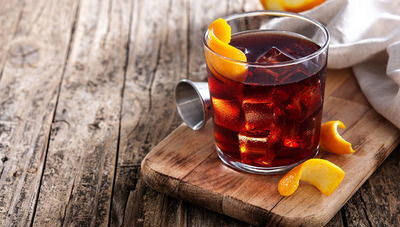
Vermouth (Vermut) is traditionally enjoyed in Spain before lunch, especially at weekends. It is usually served over ice with a slice of orange and an olive, accompanied by light tapas. Going out for vermouth (ir de vermut) is a true ritual and an important part of urban Spanish culture.
Spanish vermouth typically has an alcohol content of 15–18%. It is made from wine infused with aromatic herbs, spices, and botanicals, giving it its distinctive sweet, spicy flavour with a subtle bitter finish. Today, you can enjoy classic red vermouth as well as white and dry varieties throughout Spain.
The tradition of meeting for vermouth is especially popular on Sundays before a family lunch. At this time, bars and small taverns across Spain fill with locals catching up with friends, chatting, and leisurely enjoying a glass of vermouth with tapas. For visitors, it is a wonderful opportunity to experience the atmosphere of authentic Spanish life as well as its cuisine.
Cava

Cava is Spain's traditional sparkling wine, most commonly associated with celebrations and special occasions. It is produced mainly in Catalonia using the traditional method of secondary fermentation in the bottle.
Cava is an excellent aperitif and pairs perfectly with tapas, seafood, cheeses, and light appetisers. Its alcohol content is usually around 11–12%, giving it a light, fresh, and elegant character.
Although Cava is often compared with French Champagne, in Spain it is regarded as a distinctive national drink with its own grape varieties and centuries-old winemaking traditions. It is the sparkling wine most commonly opened at Christmas, New Year, weddings, and family celebrations, making it a true symbol of special occasions for many Spaniards.
Sherry (Jerez)
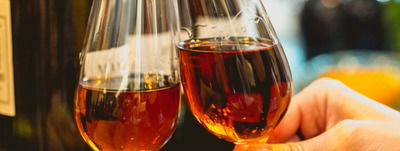
Sherry (Jerez) is a fortified wine from Andalusia with a rich history and a remarkable variety of styles. Dry varieties are enjoyed as an aperitif, while sweeter styles are traditionally served with desserts. It is highly valued for its complex flavour and traditional production methods.
The alcohol content of Sherry usually ranges from 15–22%, depending on the style. Thanks to the unique Solera ageing system, the wine develops rich aromas with nutty, fruity, and spicy notes. This distinctive method is regarded as one of the hallmarks of Spanish winemaking.
Authentic Sherry is produced exclusively within the so-called "Sherry Triangle" in the province of Cádiz, which includes the towns of Jerez de la Frontera, Sanlúcar de Barrameda, and El Puerto de Santa María. While travelling through Andalusia, it is well worth visiting one of the local bodegas, where you can learn about the history of Sherry, explore the famous wine cellars, and sample different styles, from the light, dry Fino to the rich, sweet Pedro Ximénez.
Cider (Sidra)
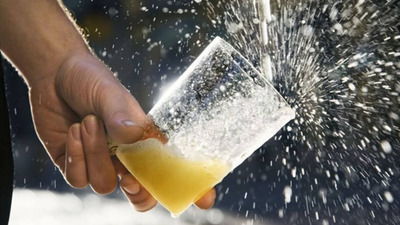
Spanish cider (Sidra) is one of the most popular drinks in northern Spain, particularly in Asturias and the Basque Country. It is made by fermenting apple juice and is known for its light natural sparkle.
The alcohol content of Spanish cider is usually around 4–6%, making it light, refreshing, and an excellent match for the local cuisine. It pairs particularly well with cheeses, meat dishes, and the seafood for which northern Spain is famous.
In Asturias, the art of pouring cider (escanciar sidra) is considered a true tradition. The bottle is held high above the head while the glass is kept close to the knee, allowing the cider to strike the side of the glass, become aerated, and fully release its flavours. It is usually poured in small servings that are meant to be drunk immediately.
Interestingly, Asturians themselves are much more likely to say echar sidra rather than escanciar sidra in everyday conversation. This is the expression you are most likely to hear in local cider houses when someone offers to pour another culín — a small serving of cider intended to be enjoyed in just a few sips.
Pacharán
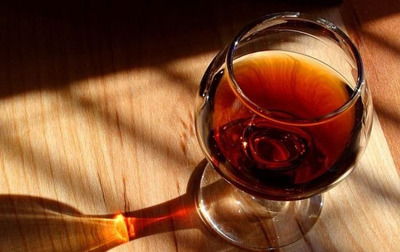
Pacharán is a traditional liqueur made from sloe berries and flavoured with anise. Originating in Navarre, it is especially popular in the north of Spain. Pacharán is usually served chilled after a meal as a digestif.
Its alcohol content is generally around 25–30%. The combination of sweetness, the gentle tartness of sloe berries, and subtle aniseed notes gives the liqueur a smooth flavour, making it a popular choice even among those who do not usually enjoy strong spirits.
Many small producers still follow traditional methods of infusing the berries, so the flavour can vary slightly from one brand to another. If you are travelling through Pamplona or other towns in Navarre, be sure to try the local Pacharán — many people believe this is where the drink truly reveals its authentic character.
Herbal Liqueur (Licor de hierbas)

Herbal liqueur (Licor de hierbas) is a popular drink found in many regions of Spain. It is made with aromatic herbs that give it a rich, spicy flavour. It is most commonly served after lunch or dinner as a digestif.
Its alcohol content is usually around 30–40%. Depending on the producer, the recipe may include a variety of herbs, spices, citrus peel, and even floral ingredients, giving each liqueur its own distinctive character. Despite its strength, it is remarkably smooth to drink and leaves a pleasant herbal aftertaste.
This liqueur is especially popular in Galicia, where it is often offered to guests after a meal alongside a cup of coffee. In many restaurants, a small glass of Licor de hierbas is served as a complimentary treat. If you are travelling through north-western Spain, be sure to try the local varieties, which are considered among the finest in the country.
Non-Alcoholic Drinks in Spain
Non-alcoholic drinks are just as popular in Spain as alcoholic ones, especially during the warmer months. They are enjoyed in bars and cafés, with lunch, during walks, and at family gatherings, with refreshing and light drinks being the most common choice.
Horchata
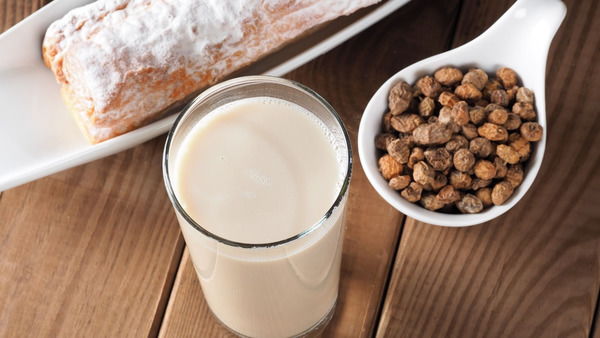
Horchata is a traditional non-alcoholic drink made from tiger nuts (chufa) and is especially popular in Valencia. It has a sweet, slightly nutty flavour and is wonderfully refreshing on hot days. Horchata is usually served well chilled, often accompanied by sweet pastries.
Contrary to popular belief, tiger nuts are not actually nuts but the small tubers of a plant known as the tiger nut sedge. They give horchata its distinctive creamy, nutty flavour and natural sweetness, making it one of the region's favourite summer drinks.
In Valencia, horchata is traditionally served with fartons — long, light pastries that are meant to be dipped into the drink. During the summer, it is common to see queues of both tourists and locals outside traditional horchaterías, as many people believe that authentic Horchata de Chufa is best enjoyed here, in its place of origin.
Granizado

Granizado is one of the most popular summer drinks in Spain. This refreshing iced drink is made with lemon, coffee, or almond flavours and is perfect for cooling down on hot days. Granizado is especially popular during the summer months and can be found in almost every café and ice cream parlour.
The drink is alcohol-free and consists of finely crushed ice mixed with fruit juice, syrup, or coffee. The most popular varieties are granizado de limón, granizado de café, and granizado de almendra, although many other flavours can be found in different regions of Spain.
Spanish Iced Coffee (Café con hielo)
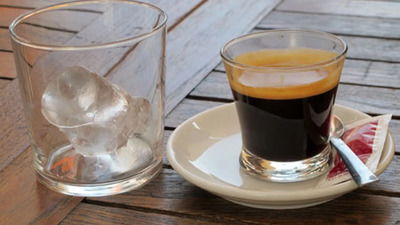
Iced coffee (Café con hielo) is a simple yet distinctly Spanish way of enjoying coffee during the summer. A hot espresso is served separately from a glass of ice, and the coffee is poured over the ice just before drinking. This method preserves the rich flavour of the coffee while making it wonderfully refreshing.
Despite its simplicity, Café con hielo has long been part of Spain's summer coffee culture. The drink contains no syrups or milk, allowing the flavour of the freshly brewed espresso to remain just as rich, while the ice gradually cools it without altering its distinctive aroma.
If you simply ask for un café in a café during the warmer months, you will most likely be served a regular hot coffee. Café con hielo, however, needs to be ordered separately. This style of serving coffee is especially popular from late spring until early autumn, when daytime temperatures in many parts of Spain regularly exceed 30°C.
Gaseosa

Gaseosa is a sweet sparkling soft drink that is widely enjoyed in Spain both on its own and as an ingredient in cocktails. It is often mixed with wine, for example in Tinto de Verano, or served over ice on hot summer days. This refreshing drink is especially popular during the warmer months and is an excellent choice for those who prefer light, refreshing beverages.
In many Spanish households, a bottle of Gaseosa appears on the table in summer almost as often as mineral water. It is added to Tinto de Verano, mixed with fruit juices, or simply enjoyed well chilled on the hottest days.
It is one of those drinks that rarely becomes a tourist attraction, yet has remained an integral part of everyday Spanish life for many years.
More Articles About Spanish Gastronomy
If you are interested in Spain's culinary culture, we also recommend reading the following articles:
- Traditional Spanish Dishes — the most famous dishes from different regions of Spain.
- Traditional Cuisine of Andalusia — the flavours of southern Spain and the dishes you should try.
- Catalan Cuisine — the culinary traditions of Catalonia and the dishes typical of Barcelona and the surrounding region.
- Traditional Cuisine of Madrid — the capital's culinary traditions and its most characteristic dishes.
- Traditional Cuisine of Valencia — paella, rice dishes, and the gastronomy of Spain's eastern coast.

 English
  Español
  Русский