
Pablo Picasso's name has long been synonymous with 20th-century art. His paintings are displayed in the world's leading museums, while his works are sold at auction for record-breaking prices. However, the creative journey of the great artist began in Barcelona — the city that played a decisive role in the development of his talent.
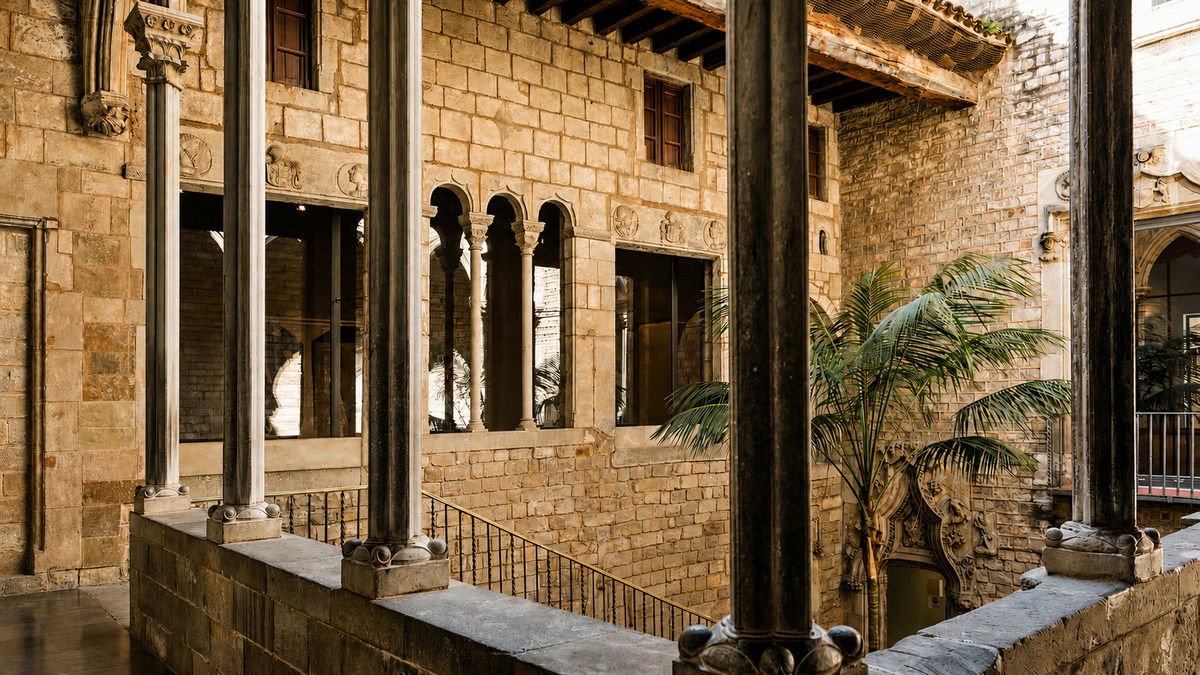
It was here that the young Picasso received his artistic education, met members of the creative intelligentsia, discovered new artistic movements, and created many of the works that first established his reputation as an outstanding artist. It is no coincidence that Barcelona became the city where a museum dedicated to his work was founded.
Today, the Picasso Museum is regarded as one of Spain's most renowned art museums. Its collection allows visitors to follow the artist's creative journey, from his earliest academic drawings to the bold experiments that eventually led to the birth of Cubism. The exhibition is housed in several beautifully preserved medieval palaces in the Gothic Quarter, making a visit to the museum not only an opportunity to discover Picasso's works, but also a journey through one of Barcelona's most atmospheric historic neighbourhoods.
What You Can See at the Picasso Museum
The museum's exhibition is arranged in chronological order, allowing visitors to follow Pablo Picasso's entire artistic journey — from the first academic drawings of a young art student to the bold artistic experiments that transformed the world of art. Thanks to this approach, the museum tells not only the story of the paintings but also of the artist himself, showing how his ideas, technique, and approach to painting evolved throughout his life.
The Early Years
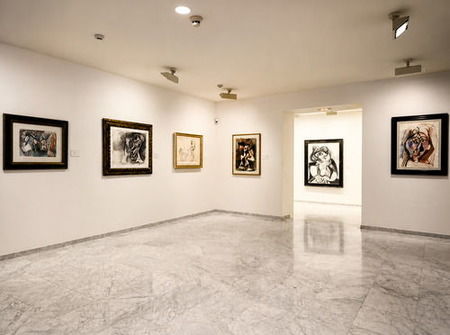
It is Picasso's early works that make the museum in Barcelona truly unique. Unlike most collections around the world, which focus on the artist's famous mature masterpieces, here you can discover where the future master's journey began. Many of the drawings and paintings were created while he was studying at the Barcelona School of Fine Arts, where the young Picasso was admitted at just fourteen years of age after successfully passing entrance examinations intended for much older students.
It was in Barcelona that Picasso met young artists, writers, and poets who gathered at the legendary Els Quatre Gats café. Here they discussed modern art, organised exhibitions, and debated the future of painting. This inspiring creative atmosphere had a profound influence on the young artist and played a major role in shaping his future career.
The Blue Period
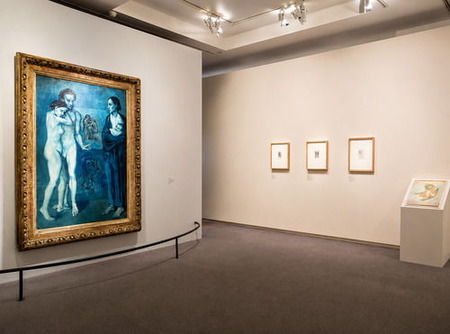
Although Picasso's most famous Blue Period works were painted after he had moved to France, the years he spent in Barcelona played a significant role in preparing him for this stage of his artistic development. The museum displays works that reveal how the artist's mood, colour palette, and artistic language gradually evolved.
The paintings of the Blue Period are characterised by restrained cool tones and explore themes of loneliness, poverty, and human suffering. It was these works that first brought Picasso international recognition as an artist.
The Las Meninas Series
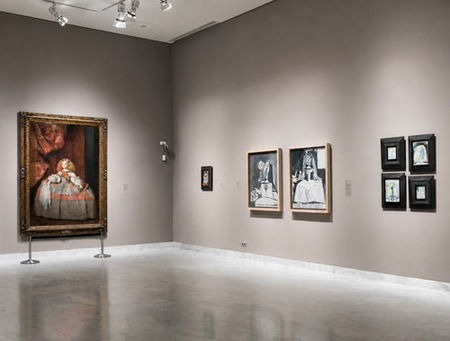
One of the museum's greatest treasures is the Las Meninas series. In 1957, almost three centuries after Diego Velázquez painted one of the most celebrated masterpieces of Spanish art, Picasso decided to reinterpret it in his own unique way. Rather than producing a simple copy, he created 58 independent interpretations, each offering a fresh perspective on the familiar composition.
While working on this series, Picasso seemed to engage in a creative dialogue with Velázquez. He altered the proportions, colours, the mood of the figures, and even the perception of space itself, demonstrating how the same work of art could be seen through the eyes of a 20th-century artist. As a result, visitors to the museum can observe not only the finished works but also the artist's creative process, following step by step how new ideas emerged.
Today, the Las Meninas collection is regarded as one of the museum's most valuable highlights and the largest collection of this series anywhere in the world. It presents Picasso not only as an innovator but also as an artist who deeply admired the great masters of the past and was able to establish a remarkable artistic dialogue with them.
The Museum's Historic Palaces
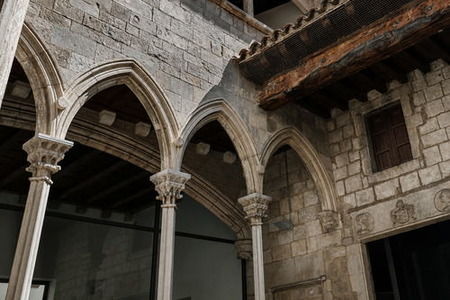
The museum buildings themselves are just as fascinating as the collection. The exhibition is housed in several interconnected Gothic palaces dating from the 13th to the 15th centuries, complete with their original courtyards, stone staircases, and elegant arcaded galleries. Thanks to the initiative of Picasso's close friend Jaume Sabartés, these remarkable historic buildings became the home of the future museum, which opened its doors in 1963.
As you explore the museum, you'll discover not only Picasso's works of art but also the architecture of medieval Barcelona. This unique combination makes the museum unlike most modern art galleries.
What to Expect When Visiting the Museum
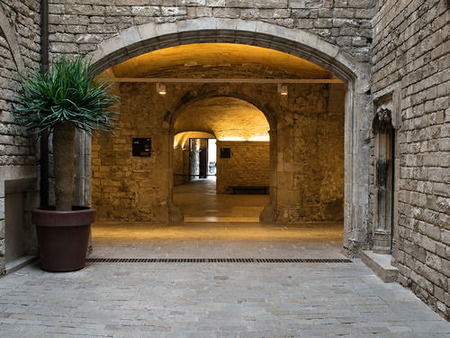
As mentioned earlier, the Picasso Museum is located in the heart of Barcelona's Gothic Quarter and occupies several interconnected medieval palaces on Carrer de Montcada. From the very first moments, it feels as though you've stepped not simply into an art gallery, but into a historic city mansion where the history of Barcelona becomes part of your journey through the artist's work.
The exhibition is arranged in chronological order, allowing visitors to follow Picasso's entire artistic journey — from his earliest student drawings to the works of his mature years. This layout makes it easy to see how his technique, artistic language, and vision gradually evolved over time. Most visitors spend around one and a half to two hours exploring the museum, although art enthusiasts often stay considerably longer.
If you're visiting independently, it's well worth using the audio guide. It provides fascinating insights into the creation of Picasso's most famous works, tells the story of his life, and explains why Barcelona played such an important role in shaping his artistic career. As a result, your visit becomes far more rewarding, especially if you're discovering Picasso's work for the first time.
Before entering, you can leave large backpacks and bags free of charge in the cloakroom. Photography for personal use is permitted throughout the galleries, provided that you do not use flash or a tripod. Your ticket is valid only for the selected date and entry time, so it's advisable to arrive a little early. Please note that re-entry is not permitted once you have left the museum.
After your visit, it's worth taking some time before heading back to the city centre. Just a few steps away, you'll once again find yourself wandering through the narrow streets of the Gothic Quarter, with its charming squares, historic palaces, and cosy cafés. It is here that you can most easily imagine the Barcelona that inspired the young Picasso more than a century ago and played such a decisive role in shaping his future artistic path.
Picasso Museum Tickets
The right ticket depends on how you would like to experience the museum. Some visitors prefer to explore the collection at their own pace, while others choose a guided tour or an audio guide to gain a deeper understanding of the stories behind the artworks and to learn more about the life of Pablo Picasso. Combined tickets are also available, allowing you to combine your visit to the museum with other attractions in Barcelona.
It's advisable to plan your visit in advance, particularly during the peak tourist season and school holidays, when visitor numbers increase significantly. Admission normally requires you to select a specific date and time slot. If you're planning to visit several museums in Barcelona, it's worth considering the Barcelona Card or the Articket BCN, as depending on the option you choose, they may include admission to the Picasso Museum. The museum also offers free admission during certain days and time slots, although places are limited, so advance booking is often required even for free visits.
What Else to See in Barcelona
After visiting the Picasso Museum, it's well worth continuing your exploration of Barcelona. The Gothic Quarter, the architecture of Antoni Gaudí, the city's food markets, and traditional Catalan cuisine all reveal different sides of the city and make your trip even more memorable.
- Top attractions in Barcelona — a route through the city's most interesting sights.
- Where to eat in Barcelona — the best Catalan dishes, tapas, and the city's best areas for a culinary adventure.
- Barcelona's food markets — historic markets, fresh local produce, and an authentic atmosphere.
- Sagrada Família — Barcelona's most famous basilica and Antoni Gaudí's greatest masterpiece.
- Casa Batlló — one of Gaudí's most extraordinary buildings, renowned for its fantastical façade and interactive exhibition.
- Casa Milà (La Pedrera) — the famous Modernist mansion with its undulating façade and panoramic rooftop.
- Park Güell — one of Barcelona's iconic landmarks, featuring colourful mosaics, panoramic viewpoints, and Gaudí's distinctive architecture.

 English
  Español
  Русский