
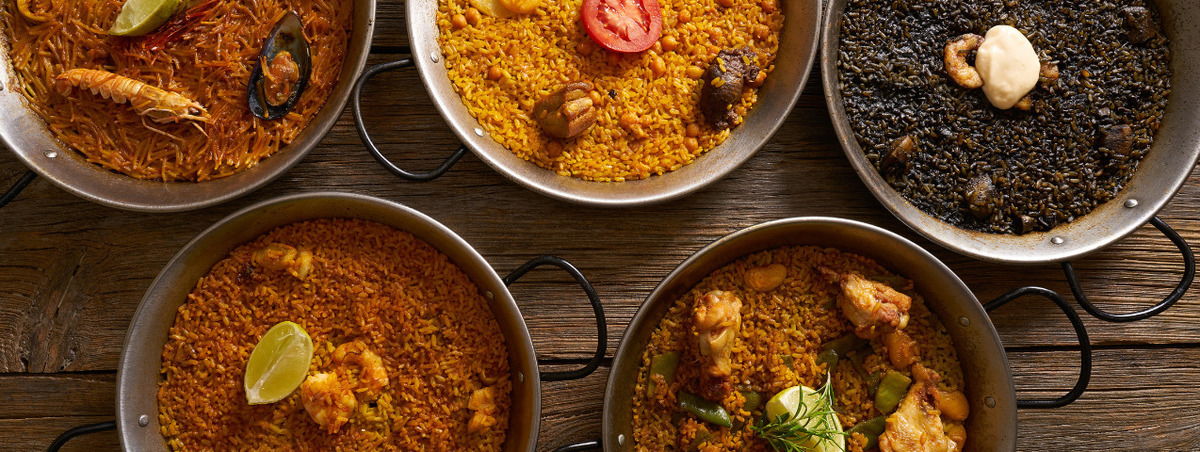
Being in Valencia and trying the local cuisine is an essential part of any trip. The gastronomy of this southern region is considered one of the most distinctive in Spain.
Valencian cuisine is very diverse, although many people believe that paella is the only dish worth trying here. This famous rice dish is well known to many, but traditional Valencian cuisine includes many other interesting and delicious specialities.
Local recipes have been shaped by the sea, fertile land and seasonal products, which is why the cuisine of the region is known for its simplicity, rich flavours and respect for ingredients.
14 Dishes to Try in Valencia
The best way to discover local cuisine is in restaurants serving traditional dishes, as well as at the city’s street markets and food markets.
1. Paella
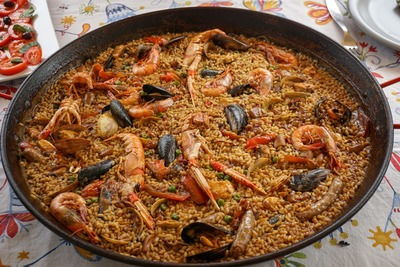
Paella valenciana is rightfully considered the main gastronomic symbol of Valencia. It is believed that this famous dish originated here, and the region’s rice fields played a key role in shaping local cuisine. Even today, a large share of the rice produced in Spain is grown around Valencia.
Classic paella valenciana is cooked over an open fire and includes chicken and rabbit, green beans, tomatoes, saffron and olive oil. Some traditional recipes also include snails and artichokes.
Despite the many variations of paella — with seafood, vegetables or chorizo — the Valencian version is considered the authentic classic and a source of local pride.
2. Fideuà
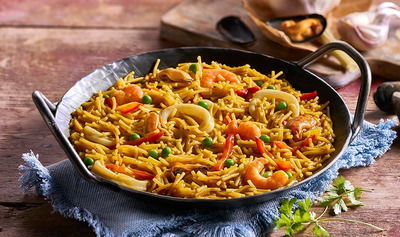
Fideuà — a traditional dish of Valencian cuisine, often referred to as ‘paella with thin noodles’. Instead of rice, short pasta called fideus is used, giving the dish a special texture and flavour.
Fideuà is most often prepared with seafood: squid, shrimp, mussels or fish. The pasta is first fried, then simmered in a rich fish broth with spices.
Like many rice and pasta dishes in Valencia, fideuá is traditionally served with aioli sauce. It is a popular choice in coastal restaurants and a great option for those who want to try an alternative to classic paella.
3. Arroz negro
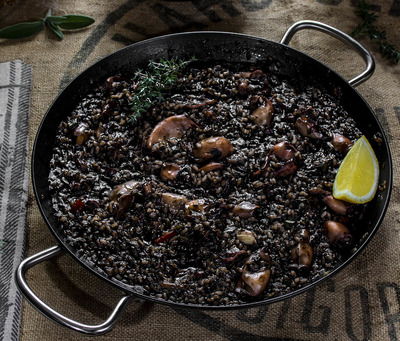
Arroz negro — a popular dish in Valencian cuisine made with rice and seafood. It gets its distinctive black colour from cuttlefish ink, which gives the dish a rich flavour and aroma of the sea.
Arroz negro is most often prepared with squid, cuttlefish or shrimp, and served with traditional garlic aioli sauce. It is the combination of delicate rice, seafood and aioli that makes this dish so distinctive.
Arroz negro is considered one of the varieties of Valencian rice dishes and is often found in coastal restaurants. It is an excellent choice for those who want to try something unusual and truly Mediterranean.
4. Arroz al horno
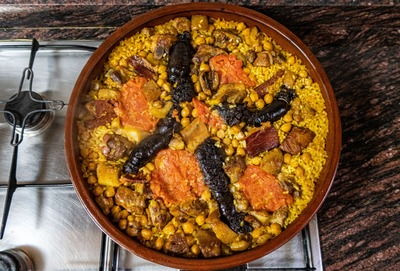 Arroz al horno — a traditional dish of Valencian cuisine, which translates as ‘rice baked in the oven’. Unlike paella, it is prepared in a ceramic dish and baked, rather than fried over an open flame.
The dish usually includes rice, meat sausages, chickpeas, potatoes, tomatoes and spices.
Sometimes pork ribs or blood sausage are added. The result is a very hearty and aromatic dish with a rich flavour.
Arroz al horno is considered a home-cooked dish and is often served in traditional restaurants that prepare food according to old recipes.
It is an excellent option for those who want to try authentic Valencian cuisine and see how locals prepare rice in ways other than paella.
5. All i pebre
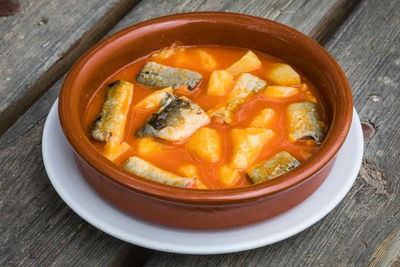
All i pebre - a hot dish from traditional Valencian cuisine. Its main ingredients are eel, red pepper (paprika) and garlic.
All i pebre is prepared in clay pots, and the sauce is the main highlight. Garlic, bread, almonds and red pepper are crushed in a mortar, lightly fried, water is added, and the delicious sauce is ready.
Eel is stewed in it (potatoes are often added), and soon you can enjoy this delightful dish, not forgetting to have a piece of bread with it.
Snacks and tapas
6. Esgarraet
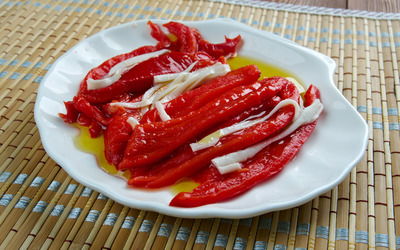
Esgarraet - a Valencian cold dish, the main ingredients of which are baked or roasted peppers, salted cod, garlic and olive oil.
It is often served as an appetiser (tapas) in the city's bars.
Esgarraet is garnished with olives and sometimes dried tuna (mojama). It is a very interesting and light dish.
7. Coca valenciana
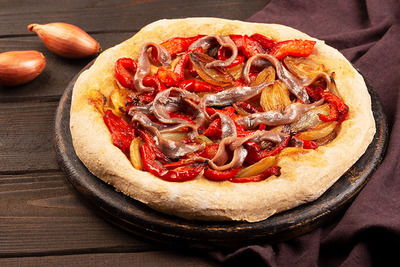
Coca valenciana - this is a baked good that resembles pizza - it is also baked in an oven and topped with ingredients (but usually without cheese).
In the past, this dish was made from leftover bread dough. To avoid wasting anything, the remaining piece of bread dough was rolled out into a flat, oblong shape and baked together with seasonal vegetables.
Now it is a full-fledged dish that can be found in restaurants.
8. Titaina
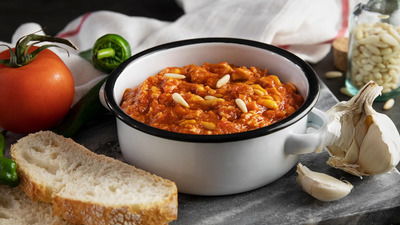
Titaina - This is an appetiser that is delicious both hot and cold.
Add tomato to the fried garlic, pine nuts, and chopped green and red peppers and simmer for half an hour, then add tuna (in the original recipe, the belly) and serve with bread or as a filling for a pie or sandwich.
For quite a long time, this dish was prepared in the coastal villages of Valencia, and the recipe for titaina only reached the city itself relatively recently.
9. Ensaladilla rusa
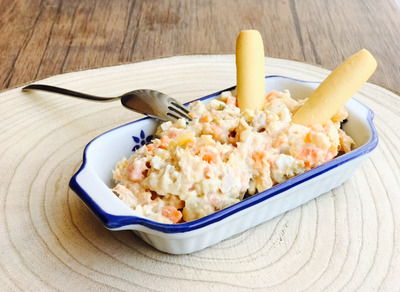
Ensaladilla rusa - the Spanish version of Olivier salad, which is most often served as a tapa.
It is one of the few salads in Spain that is dressed with mayonnaise.
Although ensaladilla rusa can be found throughout Spain, in Valencia it is offered in almost every restaurant, but more often as a tapa (appetiser) than as a separate dish.
The Spanish compare this salad to Olivier salad, and yes, they have a lot in common: boiled potatoes, carrots and eggs with pickled cucumbers, but instead of sausage (meat), they add tuna.
10. Pimientos del Padrón
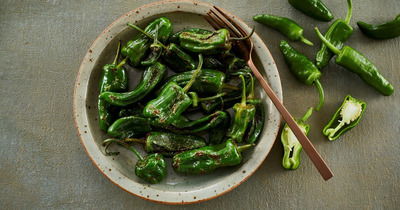
Pimientos del Padrón — small green peppers fried in olive oil with sea salt. This is one of the most popular tapas in Spain, which you can also try in Valencia.
There is a well-known saying: ‘unos pican y otros no’ — some are spicy, others are not. That is precisely what makes this dish so intriguing: you never know whether you will get a spicy pepper.
Pimientos del Padrón are often ordered as an appetiser to accompany wine or beer and are served in almost all tapas bars in the city.
Desserts and traditional sweets
11. Buñuelos de calabaza
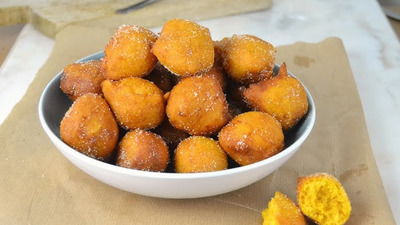
Buñuelos de calabaza - a very traditional dessert in Valencia during pumpkin season.
It is fried dough made from baked pumpkin purée. Unusual, with a delicious taste and aroma, pumpkin doughnuts draw attention to this vegetable and inspire thoughts of the variety of dishes that can be prepared with it.
Be sure to try it if you see this dessert in a restaurant.
12. Fartons
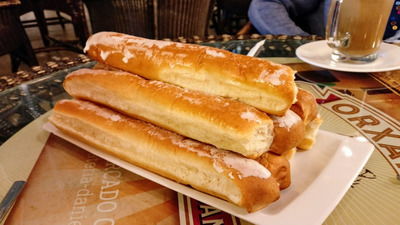
Fartons - Traditional Valencian sweet pastry in the shape of a tube, ideal for dipping in horchata.
No one will remain indifferent to these oblong, delicate buns, sprinkled with powdered sugar or covered with icing!
Traditional drinks of Valencia
13. Horchata
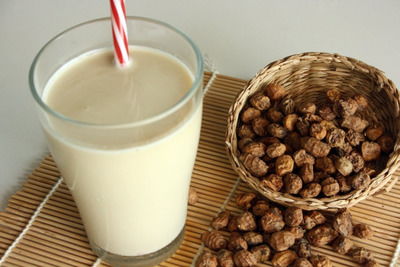
Horchata is a refreshing drink typical of Valencia (although it is said to have been invented and brought over from Africa).
Nevertheless, horchata can be found in many places in Spain, and in Valencia this non-alcoholic drink is considered traditional.
It is made from tiger nuts, which are grown here in Valencia. These nuts have an unusual and interesting taste and are very good for the digestive system.
The drink also contains water and a small amount of sugar.
14. Agua de Valencia
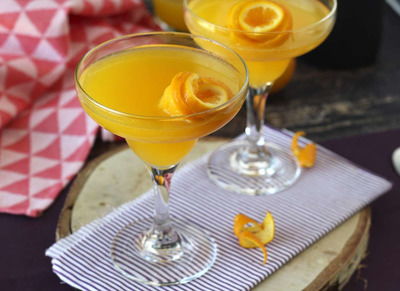
Agua de Valencia — a famous cocktail that originated in Valencia. It is made with freshly squeezed orange juice, cava or champagne, and a dash of strong alcohol.
The drink is refreshing, light in taste, but quite strong. It is often ordered in bars and restaurants in the evening or in company.
If you are interested in learning more about Spanish cuisine, it is worth paying attention not only to Valencian cuisine, but also to other regional traditions of the country, each of which has its own character and flavours.
- Traditional Spanish dishes — an overview of the most famous dishes that can be found in different regions of the country.
- Traditional drinks of Spain — wine, sangria, cava and other popular drinks that accompany Spanish cuisine.
- Catalan cuisine: dishes worth trying in Barcelona — the distinctive features of Catalan cuisine and the region's most famous dishes.
- Traditional Food in Madrid — hearty dishes from the capital and gastronomic traditions of central Spain.
- Andalusian cuisine — what to try in southern Spain — light dishes, gazpacho, tapas and gastronomy of the southern regions.

 English
  Español
  Русский