

Traditional Andalusian cuisine is remarkably diverse and reflects the rich history of southern Spain. This is the southernmost and hottest region of the country, bordered by both the Mediterranean Sea and the Atlantic Ocean.
The region is made up of eight provinces: Almería, Granada, Málaga, Jaén, Córdoba, Huelva, Cádiz, and Seville — whose port was once the gateway through which products from the Americas were first introduced to Europe, such as potatoes, tomatoes, peppers, corn, and many others.
Thanks to these new ingredients, local cuisine (and, in fact, world cuisine as a whole) expanded significantly, turning the region into a true gastronomic paradise.
Each province has its own unique dishes, but traditional Spanish cooking shares one common trait: it is based on simple, locally available ingredients grown on this land.
The proximity to the sea explains the abundance of fish and seafood in many southern recipes. However, pork also holds a very important place in local cooking. Let us begin our introduction with its first courses — soups.
Soups and First Courses of Andalusia
Soups occupy a special place in Andalusian cuisine. Due to the region’s hot climate, cold soups are especially popular, while during the cooler months hearty hot dishes take center stage.
Cold Soups of Andalusia
Gazpacho
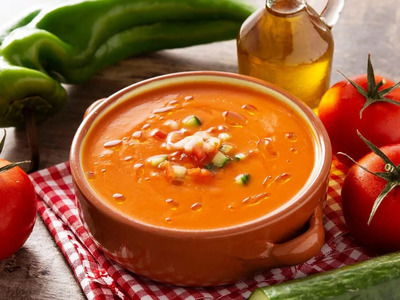
Gazpacho is one of the most famous cold soups of Andalusia and arguably the most recognizable soup in Spanish cuisine. Locals often refer to it as the “king of soups,” especially during the hot summer months.
Traditionally, it is made from tomatoes, sweet peppers, a piece of bread soaked in water, and garlic. Onion and cucumber are added according to taste.
All the ingredients are blended together, diluted with water to achieve the desired consistency, and finished with olive oil and vinegar. A light and refreshing meal on a sunny summer day.
Salmorejo
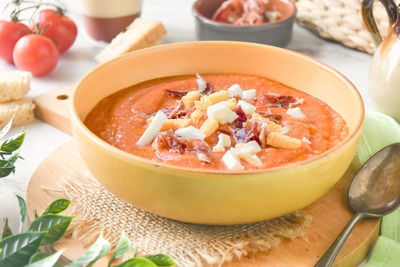
Salmorejo is a traditional cold soup from Andalusia, originally from Córdoba. It is often compared to gazpacho; however, in terms of both flavor and texture, it is a completely different dish.
The main difference between salmorejo and gazpacho lies in the larger amount of bread and the absence of added water. As a result, the soup is much thicker, richer, and has a vibrant orange color.
Salmorejo is served chilled and is traditionally topped with pieces of jamón and hard-boiled egg. It is a filling yet refreshing dish, especially popular during the hot summer months.
Ajoblanco
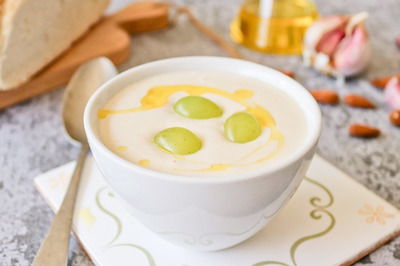
Ajoblanco is a traditional cold almond cream soup from Andalusia, especially typical of the provinces of Granada and Málaga.
It is believed that ajoblanco predates both gazpacho and salmorejo, as tomatoes had not yet been brought to Spain by Christopher Columbus.
Originally, this dish was common among poorer communities, who satisfied their hunger by soaking bread in water, grinding it, and adding a small amount of almonds and vinegar.
Over time, the recipe has remained largely unchanged: bread soaked in water is blended with garlic and raw almonds, then olive oil and a little vinegar are added. Traditionally, ajoblanco is served chilled and garnished with grapes.
Hot Soups of Andalusia
During the cooler months, hot soups become especially popular in Andalusia — hearty and aromatic dishes traditionally prepared with fish or meat broths.
Gazpachuelo
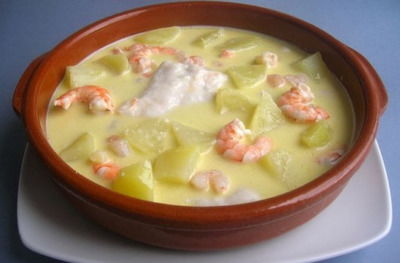
Gazpachuelo is a traditional warm soup from Málaga, considered a classic fishermen’s dish. It is made with potatoes, seafood (most often fish), and mayonnaise.
Gazpachuelo is one of the most traditional recipes of Andalusian cuisine, pleasantly surprising with its unusual creamy flavor and the simplicity of its preparation.
Traditional Andalusian Picadillo Soup (Sopa de picadillo)
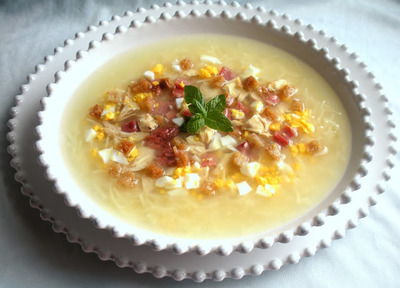
Sopa de picadillo is a traditional hot soup of Andalusian cuisine, prepared with chicken broth and enriched with meat, noodles, and egg. The name of the dish comes from the verb picar, meaning “to chop,” as all the ingredients are finely chopped.
The soup is very simple, yet hearty and aromatic. It is made by simmering a broth with chicken and a bone with a small amount of meat (pork or beef), along with vegetables — most commonly carrot and leek.
Once cooked, the meat and vegetables are removed and finely chopped, while thin noodles are boiled in the broth. Before serving, the soup is poured into deep bowls, topped with the chopped meat, vegetables, and hard-boiled egg. Very often, the dish is finished with pieces of jamón and fresh herbs.
Andalusian Puchero (Puchero andaluz)

Puchero andaluz is a thick and nourishing hot soup from traditional Andalusian cuisine, with chickpeas (garbanzos) as its main ingredient.
Originally, puchero was considered food for the poorer population of the region. The broth was consumed separately, while the remaining meat and vegetables were reused as the basis for other dishes. In this way, a single pot could last for several days.
Similar stew-like soups can be found in other regions of Spain, but rich and hearty puchero is considered to have originated in Andalusia. Even today, it is cooked in large quantities and rarely eaten in a single sitting.
The recipe is quite simple: the broth is simmered for 2–3 hours with different types of meat, chickpeas, and vegetables. Sometimes chorizo is added to give the dish a deeper flavor and aroma.
The strained broth is served separately, with rice or thin noodles cooked in it, while the meat and vegetables are arranged on a large plate and placed on the table alongside or reused in other dishes.
Fish Dishes and Seafood of Andalusia
Espeto de Sardinas
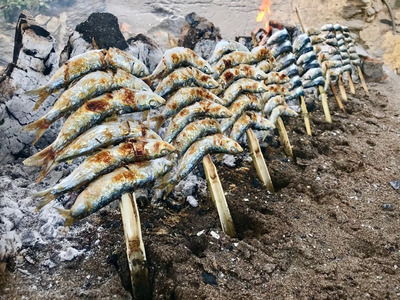
Espeto de sardinas is one of the most iconic fish dishes of Andalusia, originating in Málaga. It consists of five or six small sardines skewered and grilled over open coals.
Traditionally, espeto is cooked over an open fire, often right on the beach, using old fishing boats filled with sand as improvised grills. This unique cooking method gives the fish a distinctive smoky aroma and highlights its natural flavor.
Locals believe that espeto is at its best from May to August. Although sardines are grilled and served here all year round, they are especially juicy and flavorful during the summer months.
There is only one way to truly check this for yourself — by trying espeto at one of the beachfront restaurants known as chiringuitos, which line the Andalusian coastline.
Pescaito frito

Pescaito frito is one of the most recognizable dishes of Andalusian cuisine, with origins dating back to the 13th century. Today, it can be found in almost every restaurant and bar across southern Spain.
The dish consists of small fish or seafood, lightly coated in flour and deep-fried. Its crispy exterior and tender, juicy interior make pescaito frito a true symbol of Mediterranean cooking.
Anchovies, small sardines, squid, or other small white fish are most commonly used. Pescaito frito is served hot, usually with lemon wedges and without elaborate sauces — so as not to overpower the fresh taste of the sea.
Although it is a traditional Andalusian dish, pescaito frito is also very common in Valencia, Catalonia, and the Balearic and Canary Islands.
Meat Dishes of Traditional Andalusian Cuisine
Despite its proximity to the sea and the abundance of fish dishes, meat-based recipes also play an important role in southern Spanish cuisine. They are especially characteristic of the inland provinces, where the food is heartier and more “home-style.”
Pork, jamón, and cheeses are most commonly used in these dishes, and the recipes themselves are known for their simplicity and rich flavor.
Flamenquín

Flamenquín is a popular meat dish originating from Córdoba, one of the provinces of Andalusia. It is certainly not the lightest option, but while on holiday and exploring local cuisine, it is definitely worth trying.
The dish consists of pork loin wrapped around jamón and cheese, coated in breadcrumbs and deep-fried until crispy and golden.
Flamenquín is most often served with French fries or salad. A hearty, simple, and very flavorful dish that perfectly reflects the character of traditional Andalusian cuisine.
Stuffed Artichokes (Alcauciles rellenos al estilo andaluz)
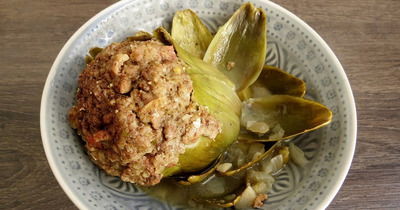
Stuffed artichokes are a traditional hot dish of Andalusian cuisine, especially popular in spring, when artichokes are at the peak of their freshness.
The cleaned artichokes are filled with minced meat, often with the addition of garlic, herbs, and spices,
and then gently stewed in a pot or deep pan until tender.
In some versions of the recipe, white wine or broth is added to the sauce,
giving the dish a richer and more aromatic flavor.
Stuffed artichokes are a great example of simple yet well-balanced Andalusian cooking,
where vegetables play just as important a role as meat.
This dish is often served as a main course or as a hearty hot appetizer.
Salads and Cold Dishes
In the hot climate of Andalusia, cold dishes and salads hold a special place in local cuisine. They are prepared with fresh vegetables, fish, and olive oil, focusing on simplicity, seasonality, and bold flavors.
These dishes are often served as a starter or as a light lunch during the warmest months of the year.
Pipirrana
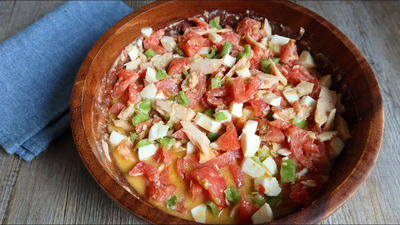
Pipirrana is a refreshing summer salad originating from the province of Jaén, perfectly suited to the hot Andalusian climate.
The classic recipe includes just a few ingredients: peeled tomatoes, green pepper, hard-boiled egg, and tuna. However, the true highlight of pipirrana is its dressing. In a mortar, olive oil is carefully crushed with a piece of green pepper, garlic, salt, and the yolks of hard-boiled eggs, creating a thick and intensely flavorful sauce.
As people in Jaén like to say, bread is an essential companion to pipirrana —
it is simply impossible to resist dipping it into the aromatic juices left at the bottom of the plate.
In some parts of Andalusia, cucumber or green olives are also added, giving the salad extra layers of flavor.
Málaga Salad (Ensalada malagueña)
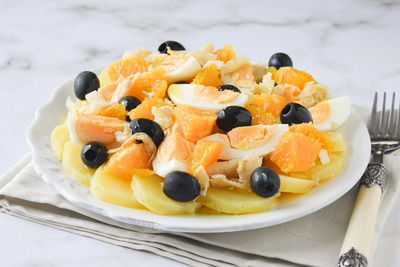
Málaga salad is a popular traditional dish from Málaga, especially enjoyed during the summer months.
Its main ingredients are orange, boiled potatoes, and salted cod. Before preparation, the cod is soaked to remove excess salt, resulting in a very tender and delicate texture.
Sometimes the cod is replaced with tuna, creating a different version of the salad. Boiled egg, olives, and onion are added to complete the dish, bringing together a balanced combination of sweet, salty, and fresh flavors.
Tapas of Andalusia
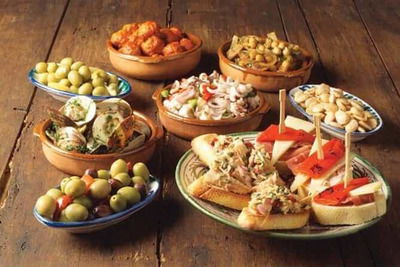
Tapas are small dishes that form an essential part of Andalusia’s gastronomic culture.
According to one popular version, tapas originated in the 13th century by decree of King Alfonso X of Castile. To prevent his soldiers from getting drunk too quickly, tavern owners were instructed to serve a small portion of food with alcoholic drinks.
Another explanation is more practical: drinks were covered with a piece of bread or food to protect them from dust and insects (the Spanish word tapa means “lid” or “cover”).
Today, the tapas tradition is more alive than ever. In some Andalusian bars, a refreshing drink may be accompanied by simple snacks such as nuts, olives, or crisps.
In other, more traditional establishments, guests are offered small portions of fried squid, shrimp, tortilla, salads, and other dishes. What exactly will be served is often a surprise — and that is precisely part of the charm of tapas.
Desserts and Sweets of Andalusia
Sweets in southern Spain bear a strong resemblance to Middle Eastern desserts — and this is no coincidence. Andalusian cuisine was deeply influenced by Arab culture, which is why ingredients such as honey, anise, almonds, and walnuts are so common in local desserts.
Many traditional Andalusian sweets are prepared according to recipes that are several centuries old and are especially popular during holidays and religious festivals.
Pestiños
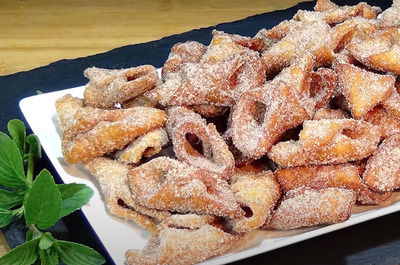
Pestiños is a traditional sweet of southern Spain, popular during festive periods and beyond. Pestiños are small pieces of dough shaped like a folded handkerchief and fried in olive oil.
Sesame seeds and anise are often added to the dough, while the finished pestiños are dusted with sugar or drizzled with fragrant honey.
They are especially common at Christmas and during Holy Week, when they can be found in almost every Andalusian bakery.
Alfajor
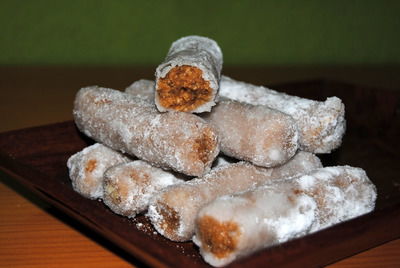
A very popular sweet in Andalusia, alfajor is a dense cylindrical confection made from almonds, walnuts, and honey.
This dessert also has Arab roots and is known for its rich flavor and compact texture.
Alfajor is often served with coffee or tea, and thanks to its richness, even a small piece is enough to satisfy your hunger.
Piononos de Santa Fe

Piononos de Santa Fe are a small sponge cake rolls soaked in syrup, filled with custard, and topped with a caramelized crust, originating from the small town of Santa Fe near Granada.
The dessert takes its name from Pope Pius IX (known in Spanish as Pío Nono), and today piononos are considered one of the gastronomic symbols of the province of Granada.
They are served chilled and are most often bought individually — a perfect option for a sweet treat on the go.
Amarguillos

Amarguillos are almond cookies and a signature specialty of the town of Medina-Sidonia, in the province of Cádiz.
They are made from sweet marzipan with the addition of bitter almonds, which give the dessert its distinctive note and a more intense flavor.
Amarguillos are traditionally prepared according to family recipes passed down from generation to generation and are especially popular during local festivals.
Every town in Andalusia has its own signature dish or dessert, and ordering it is never a mistake. The region truly knows how to delight even the hungriest traveler!
Other articles on Spanish gastronomy
If you are interested in Andalusian cuisine, you may also enjoy these articles:
- Traditional Spanish dishes — the most famous dishes from different regions of the country.
- Traditional drinks of Spain — wine, sangria, cava and regional drinks.
- Traditional Food in Madrid — hearty dishes from the capital and gastronomic traditions of central Spain.
- Traditional Valencian cuisine — paella, rice dishes and the gastronomy of the east coast.
- Catalan cuisine — special features of Barcelona and Catalan cuisine.

 English
  Español
  Русский