
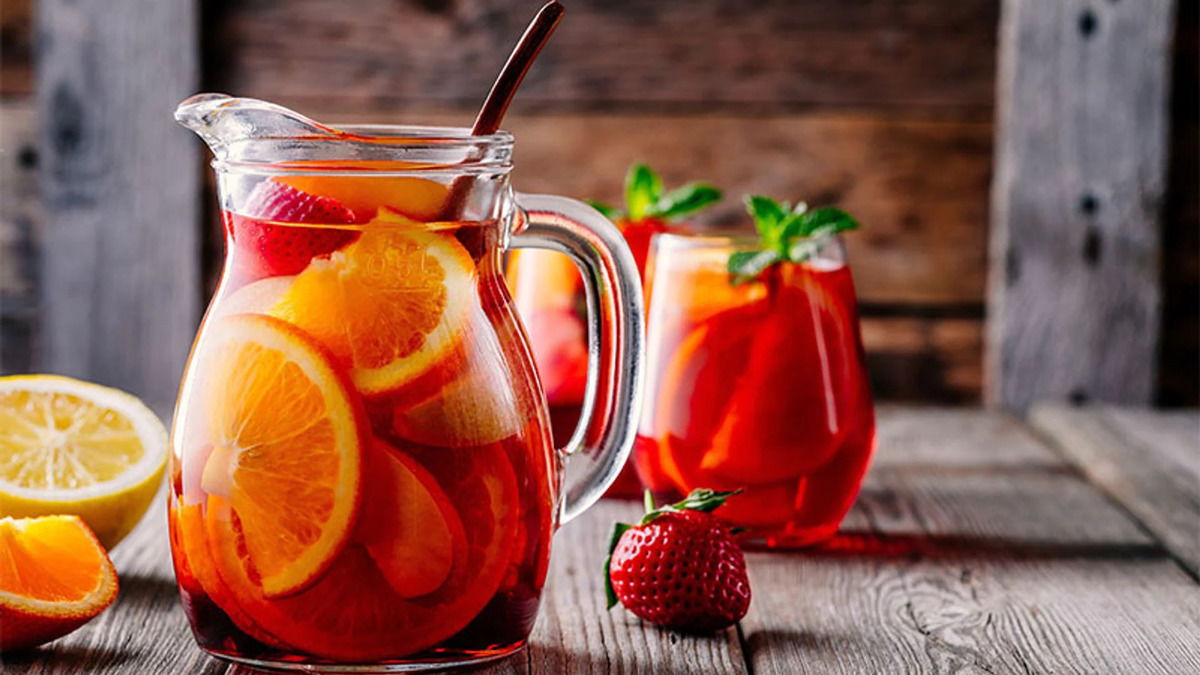
Traditional and typical drinks in Spain are an integral part of the country’s culture and everyday life. Wine, beer, popular cocktails and non-alcoholic beverages accompany family lunches, gatherings with friends, festive celebrations and relaxed evenings in bars. Spaniards don’t just drink — they enjoy the moment, the company and the atmosphere.
In Spain, spending time together is a tradition in itself: over a glass of wine, a cup of coffee or a refreshing drink, people discuss the news, share impressions and simply unwind. Drinks with tapas, terrace gatherings and meetings in bars are an essential part of the Spanish lifestyle.
Many drinks are closely connected to traditions and the time of year. Christmas, Carnival, the Night of San Juan and local festivals are rarely complete without wine, cocktails or regional beverages, including popular non-alcoholic options.
Even phenomena such as botellón reflect the social role of drinks in modern Spain.
In this article, we will tell you which traditional drinks are worth trying in Spain, how they differ, which regions they are popular in and on what occasions they are usually enjoyed. This guide will help you better understand Spanish culture and make your experience of the country even more complete.
Types of drinks in Spain

Spanish drinks can generally be divided into two main groups: alcoholic and non-alcoholic. Both are equally popular and depend on the time of day, the season, the region and personal preferences.
Some drinks traditionally accompany meals and celebrations, while others help refresh you in the heat or simply enhance moments of relaxation in cafés and bars.
Spanish alcoholic drinks
Spain offers a wide variety of traditional alcoholic beverages that reflect the country’s climate, history and regional culinary traditions.
From refreshing summer cocktails to fortified wines and regional liqueurs, each drink has its own place and time.
Vino
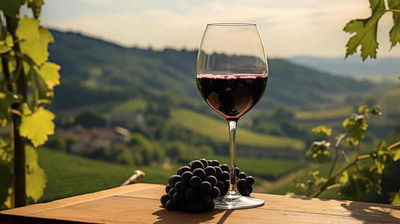
Spanish wine (vino) deserves special attention, as it is one of the most important elements of the country’s gastronomic culture.
In Spain, many meals are traditionally accompanied by a glass of wine — white, red or rosé.
Spain is among the world’s leading wine-producing countries, offering an enormous variety of grape types, regions and styles. We will cover grape varieties, wine classifications and major wine regions in more detail in a separate article.
Sangría
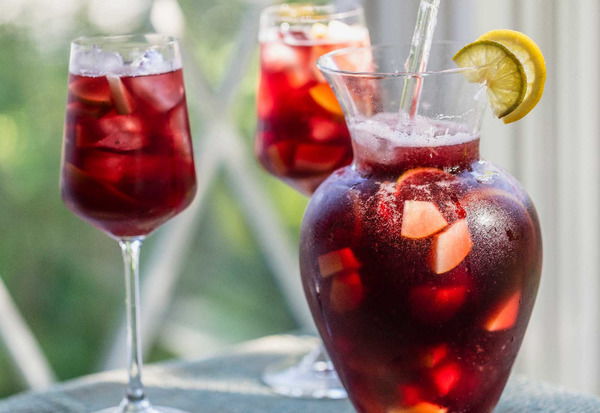
Sangría is one of the most famous Spanish drinks, especially popular with tourists.
It is made with red wine, fruit, sugar and sometimes a splash of liqueur.
In Spain, sangría is most commonly enjoyed during the warmer months and is usually ordered to share rather than by the glass.
Tinto de verano
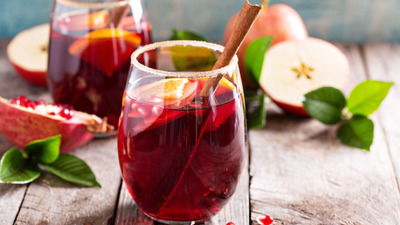
Tinto de verano is a light and refreshing cocktail made from red wine and sparkling soda.
It is considered a more everyday, “local” alternative to sangría.
This drink is especially popular in summer and is usually served with ice and a slice of lemon.
Vermut
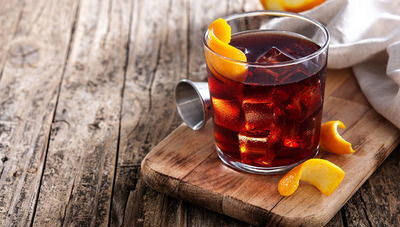
Vermut in Spain is traditionally enjoyed before lunch, especially at weekends.
It is served with ice, an orange slice and an olive, and accompanied by light snacks.
“Going for vermut” is a social ritual and an important part of urban life.
Cava

Cava is a Spanish sparkling wine most commonly associated with celebrations and special occasions.
It is produced mainly in Catalonia using the traditional method of secondary fermentation in the bottle.
Cava is an excellent aperitif and pairs very well with tapas.
Jerez
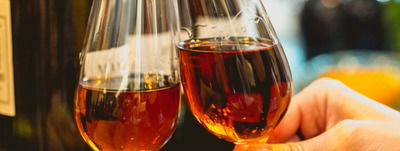
Jerez is a fortified wine from Andalusia with a long history and a wide variety of styles.
Dry types are usually enjoyed as an aperitif, while sweet varieties are served with desserts.
This wine is highly valued for its complex flavours and traditional production methods.
Sidra
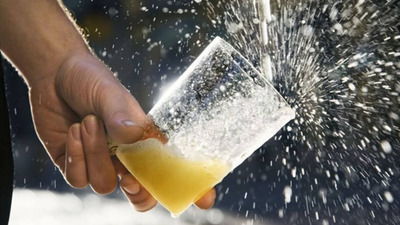
Sidra is one of the most popular drinks in northern Spain, especially in Asturias and the Basque Country.
It is made by fermenting apple juice and is known for its light natural carbonation.
Traditionally, sidra is poured from a height to aerate the drink and fully release its flavours.
Pacharán
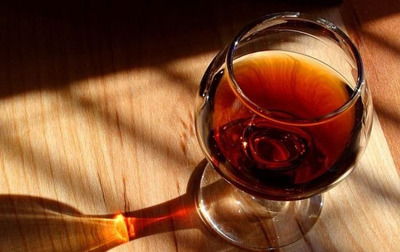
Pacharán is a traditional liqueur made from sloe berries with a distinctive anise aroma.
It originates from Navarre and is especially popular in the northern regions of Spain.
Pacharán is usually served chilled after a meal as a digestif.
Licor de hierbas

Licor de hierbas is a popular drink in various regions of Spain, especially in Galicia.
It is made with a blend of aromatic herbs that give the liqueur a rich and spicy flavour.
It is most often served after lunch or dinner to aid digestion.
Non-Alcoholic Drinks in Spain
In Spain, non-alcoholic drinks are just as popular as alcoholic ones, especially during the hot summer months.
They are enjoyed in bars and cafés, with meals, during walks and family gatherings, with a preference for light and refreshing options.
Horchata
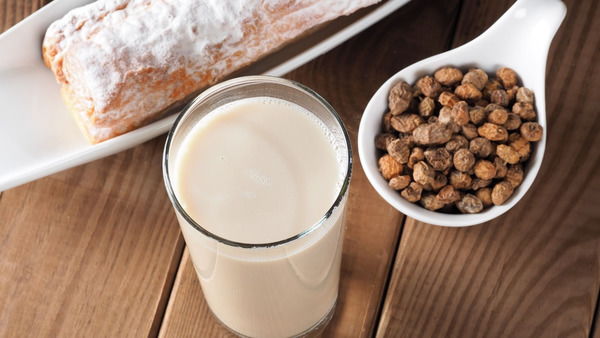
Horchata is a traditional non-alcoholic drink made from tiger nuts, especially popular in Valencia.
It has a sweet, slightly nutty flavour and is perfect for quenching thirst on hot days.
Horchata is usually served well chilled and is often enjoyed with sweet pastries.
Granizado

Granizado is one of the most popular summer drinks in Spain.
It is a refreshing iced beverage made from lemon, coffee or almonds, perfect for cooling down in the heat.
Granizado is especially popular during the summer months and can be found in almost every café and ice cream shop.
Café con hielo
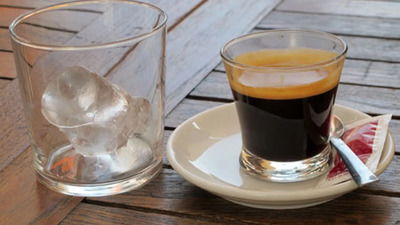
Café con hielo is a simple and very Spanish way of drinking coffee in summer.
A hot espresso is served separately from a glass of ice, and the coffee is poured over the ice just before drinking.
This method preserves the rich coffee flavour while providing a refreshing experience.
Gaseosa
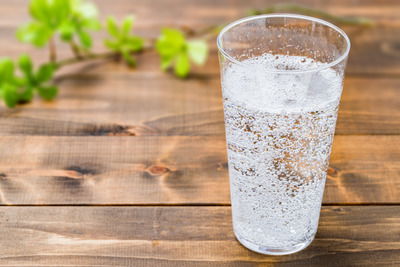
Gaseosa is a sweet sparkling soft drink widely used in Spain both on its own and as a mixer for cocktails.
It is often mixed with wine, for example in tinto de verano, or served with ice on hot days.
This drink is especially popular in summer and is ideal for those who prefer light and refreshing options.
Typical drinks in Spain are more than just flavours — they reflect regional traditions and everyday lifestyle.
By trying them, you not only quench your thirst but also gain a deeper understanding of the country’s culture, rhythm of life and attitude towards food and leisure.
Other Articles About Spanish Gastronomy
If you are interested in Spanish gastronomic culture, we also recommend reading the following articles:
- Traditional Spanish dishes — the most famous dishes from different regions of the country.
- Traditional Andalusian cuisine — special features of southern Spanish cuisine and dishes worth trying.
- Catalan cuisine — Catalonia's gastronomic traditions and dishes typical of Barcelona and the region.
- Traditional cuisine of Madrid — gastronomic traditions of the capital and typical dishes.
- Traditional Valencian cuisine — paella, rice dishes and the cuisine of the east coast.

 English
  Español
  Русский