
Madrid is a city that cannot be fully understood at a single glance, but it is easy to fall in love with from the very first walk. Here, royal palaces stand side by side with lively squares, green parks blend into bustling streets, and every walk turns into an encounter with the history and culture of Spain’s capital.
In this article, we have gathered the main attractions of Madrid and will tell you what to see in Madrid as a tourist — from the most famous squares and parks to places worth including in your itinerary when discovering the city for the first time.
What to See in Madrid: Main Attractions
If you are wondering what to see in Madrid first, start with its historic center. The main sights are located quite close to each other, so by starting your walk in the morning, you can see a lot even in just one day. We have visited this metropolis many times, but unfortunately, most often we had only one day to explore the city, so we will begin with the most important places that are worth visiting first.
Puerta del Sol — the Main Square of Madrid
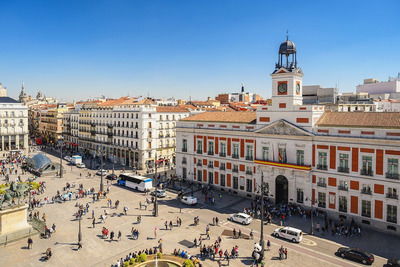
One of the most famous and lively places in the city. This square is always crowded: tourists explore the sights and take photos, while locals meet here to chat and go for a walk.
The name of the square translates as “Gate of the Sun.” Back in the Middle Ages, the city walls and gates facing east were located here. The gates were decorated with an image of the sun, and it was from this spot that people could once observe the sunrise.
In the 16th century, the city gates and walls were demolished, and over time this place turned into the central square and one of the most recognizable landmarks of the capital. Today, Puerta del Sol is considered the true heart of the city and a convenient starting point for walks: from here, it is easy to reach Plaza Mayor, Gran Vía, and other major attractions of Madrid on foot.
What You Should Definitely See at Puerta del Sol:
Kilometer Zero
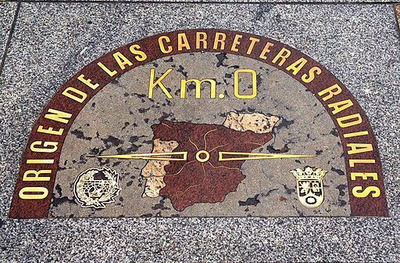
Once you step onto the square, it is hard not to notice people carefully looking at the ground and taking photos. If you come closer, you will see a plaque marking Kilometer Zero, installed in 1950.
It is from this point that six main roads of Spain begin, leading from Madrid to Andalusia, Valencia, Catalonia, Extremadura, the Basque Country, and Galicia.
The Clock on the Royal Post Office Building
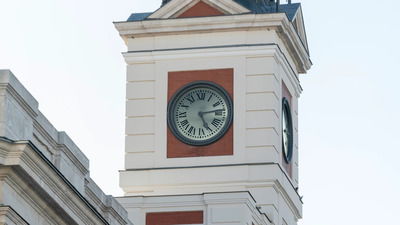
The clock is located on one of the oldest surviving buildings on the square, built in 1768. It is famous because, since 1962, thousands of people have gathered here on New Year’s Eve. According to tradition, Spaniards eat 12 grapes to the sound of the chimes, making a wish with each strike of the clock.
The Statue of the Bear and the Strawberry Tree
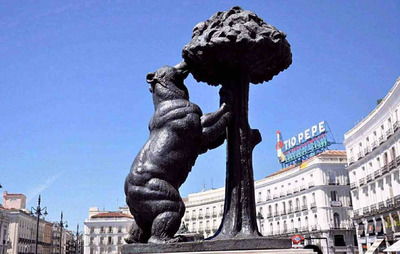
Another recognizable symbol of the square is the sculpture of a bear and a strawberry tree. Although bears no longer live in this region and strawberry trees do not grow here, this image became the coat of arms of Madrid. It symbolizes the city’s strength, power, and the fertility of its land.
For travelers, it is, of course, another great reason to stop and take a memorable photo.
Plaza Mayor — the Main Historic Square of Madrid
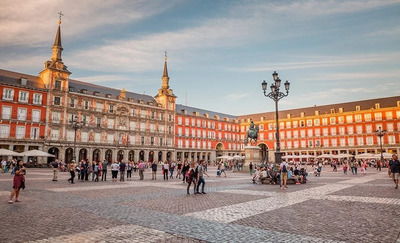
Plaza Mayor is one of the most famous and atmospheric squares in the capital. It is located just 300 meters from Puerta del Sol and can be reached by walking through narrow streets that suddenly open up into a spacious square in the very heart of the city.
The square is a large rectangle surrounded by historic buildings with arcades. In the center stands an elegant equestrian statue of King Philip III, installed in 1616. Around the perimeter of the square, there are numerous bars and restaurants where it is pleasant to take a break during a walk: enjoy a coffee, a glass of wine or beer, and try one of Madrid’s most famous snacks — the calamari sandwich (bocadillo de calamares).
Plaza Mayor is not only a tourist attraction but also an important historical site. In different periods, coronations, public celebrations, theatrical performances, and even public executions took place here. Today, the square serves as a popular meeting point, a place to relax, and a venue for city events.
From late November until the end of December, for almost 150 years, Christmas markets have been held here, where you can buy festive decorations, souvenirs, and gifts. At this time, Plaza Mayor is especially beautiful and lively, and the evening lights create a truly magical atmosphere.
San Miguel Market — a Gastronomic Attraction of Madrid
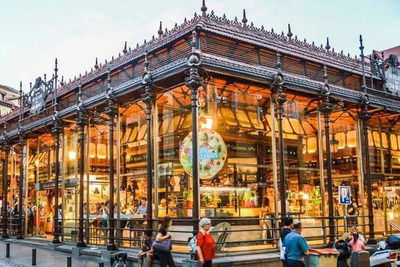
San Miguel Market is one of the most popular places in the center of Madrid, especially among tourists who want to get a quick and tasty introduction to local cuisine. It is located just a few steps from Plaza Mayor, making it an easy stop during a walk through the historic center.
Inside the market, you will find many small stalls offering a wide variety of Spanish dishes and snacks: tapas, seafood, jamón, cheeses, olives, desserts, and wine. It is a great place to skip a full sit-down meal and instead sample several flavors of Madrid at once.
The market is especially lively in the evenings and on weekends. The atmosphere here is noisy and dynamic, so San Miguel should be seen not as a traditional market, but as a gastronomic space and a tourist attraction that is easy and enjoyable to combine with sightseeing.
💡 To learn more about the city’s food scene, read our guide to Madrid’s gastronomic markets and our article on traditional food of the capital.
The Royal Palace — Palacio Real de Madrid
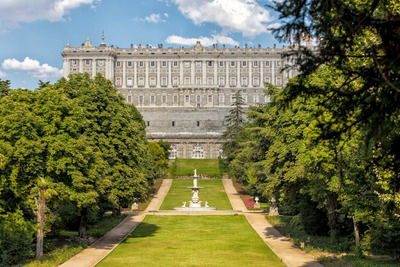
From Plaza Mayor, you can reach the Royal Palace on foot in about 15 minutes along the street of the same name — a pleasant and logical part of a route through the historic center of the city.
The Royal Palace is the official residence of the Spanish royal family, although no one lives here permanently. Today, the palace is used for state receptions, official ceremonies, and formal events, while the monarchs reside in another palace.
From the outside, the building makes a truly impressive impression. Its total area is about 135,000 m², and according to official data, it contains 3,418 rooms. Thanks to its scale, the Royal Palace of Madrid is considered one of the largest royal palaces in the world.
You can visit the palace in several ways:
— simply walk around it and admire the majestic façade,
— buy a ticket and explore the luxurious interiors,
— or choose a guided tour to learn more about the palace’s history, royal halls, and ceremonies.
In any case, the Royal Palace is one of those Madrid attractions that should definitely be included in your itinerary, especially if you are visiting the city for the first time.
Gran Vía — the Most Famous Boulevard in Madrid
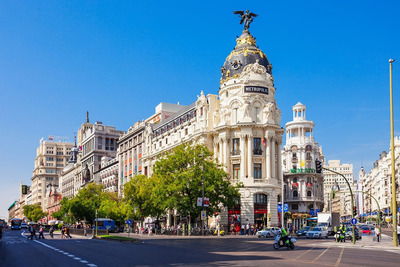
Gran Vía is one of the most impressive streets in Madrid and a place you simply cannot miss during your trip. This boulevard is often called the city’s main artery, where the energy, movement, and modern life of the capital are concentrated.
It is especially pleasant to walk here, both during the day and in the evening. Personally, I really love Gran Vía: every time I come to Madrid, I feel drawn back here again. In Barcelona, it somewhat resembles Passeig de Gràcia — an equally iconic and lively urban boulevard.
Gran Vía is famous for its early 20th-century architecture: majestic Art Deco and Neoclassical buildings make a walk along the street particularly interesting. It is also home to major clothing stores, shopping centers, cinemas, theaters, and music venues, which is why the boulevard is often called Madrid’s Broadway.
The atmosphere of Gran Vía attracts both tourists and locals: some come for shopping, others just to stroll, enjoy a coffee, or feel the rhythm of a big city. However, as in any popular tourist area, it is worth keeping an eye on your personal belongings and taking basic precautions.
Cibeles Square — One of the Symbols of the Capital
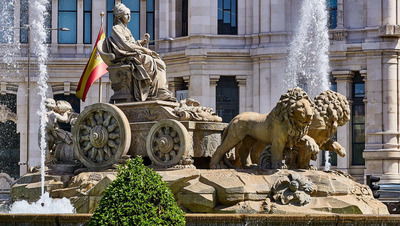
Cibeles Square is one of the most recognizable and beautiful squares in Madrid. It is located at the intersection of major city streets and serves as a kind of boundary between the historic center and the more modern districts of the city.
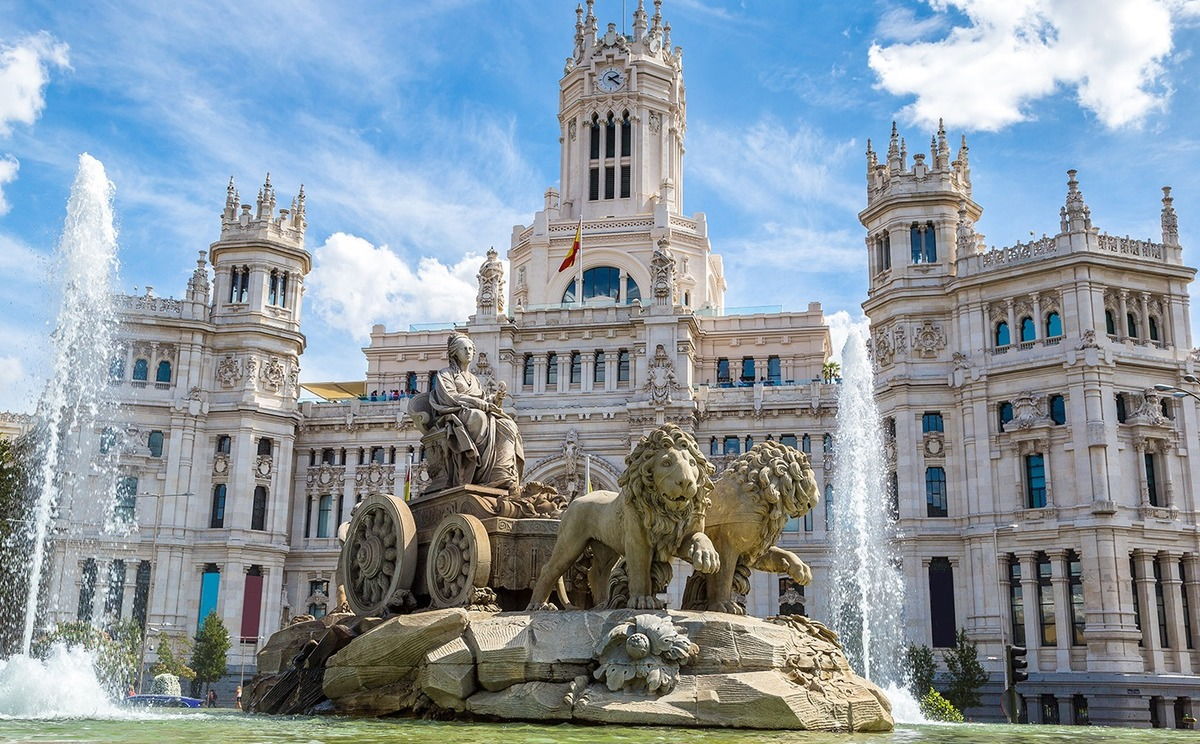
The main highlight of the square is the Cibeles Fountain, depicting the goddess Cybele on a chariot drawn by lions. This image has become a true symbol of Madrid and often appears on postcards and tourist photographs.
The square is surrounded by impressive buildings, among which the Cibeles Palace stands out in particular — formerly the Main Post Office building and today a cultural center and observation deck with panoramic views of the city.
By the way, it is at Cibeles Square that fans of the football club Real Madrid traditionally celebrate their team’s victories.
Prado Museum — Spain’s Main Art Gallery
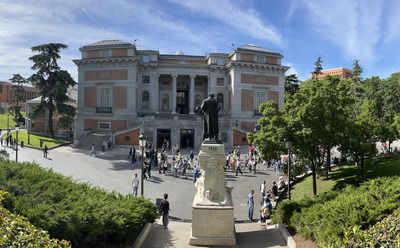
The Prado Museum is one of Madrid’s most famous attractions and one of the most important art museums in the world. Even if you do not consider yourself a great art lover, this place is still worth including in your itinerary at least once.
The museum’s collection features masterpieces of Spanish and European painting, including works by Velázquez, Goya, El Greco, Rubens, and other great masters. It is here that the famous painting “Las Meninas” is housed, considered one of the greatest works of world art.
The museum is located near Cibeles Square and Retiro Park, making it easy to combine a visit with a walk through the city center. If you are planning a visit, it is best to check the information in advance and purchase tickets online — this will help save time and avoid queues.
👉 For more details about the collection, opening hours, and ticket purchases, read our dedicated article: Prado Museum in Madrid — tickets and useful information
Retiro Park — the Green Heart of Madrid
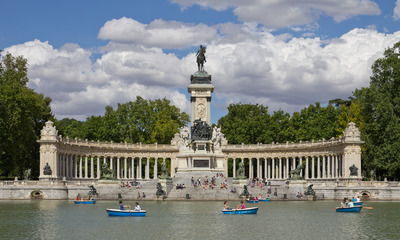
Retiro Park is Madrid’s most famous park and one of the capital’s main attractions. It is an ideal place to take a break from the city bustle, slow down your pace, and see a different, more relaxed side of the city.
Originally, the park belonged to the Spanish royal family, but at the end of the 19th century it became a public space open to everyone. Today, Retiro is a true green oasis in the center of the metropolis, covering an area of about 125 hectares.
Both locals and tourists enjoy spending time here. In the park, you can encounter artists and street musicians, watch small performances, stroll along the paths, or simply take a break on a bench in the shade of the trees. And if you wish, you can even rent a boat and row on the lake.
What You Should Definitely See in Retiro Park:
The Great Pond — Estanque Grande del Retiro
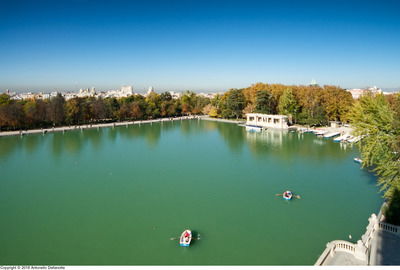
A beautiful large lake in the center of the park, one of Retiro’s most popular spots. It is a lovely place to sit on a bench, watch ducks and turtles, and go for a boat ride. Tickets can be conveniently booked in advance via the Madrid Móvil app.
On the eastern side of the pond stands an impressive monument dedicated to King Alfonso XII, which often serves as a backdrop for photographs.
The Crystal Palace — Palacio de Cristal
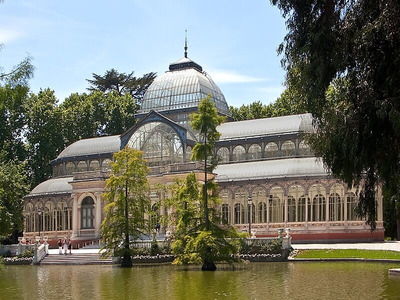
One of the most beautiful and recognizable landmarks in the park. The Crystal Palace was built in 1887 and originally served as a greenhouse for tropical plants.
Today, this elegant structure of metal and glass looks almost fairytale-like. The palace is located near the Great Pond, entrance is free, and temporary exhibitions and art installations are often held inside. An excellent spot for photos.
The Velázquez Palace — Palacio de Velázquez
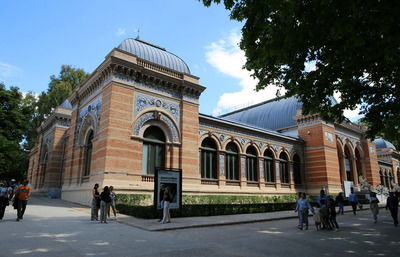
Another interesting building within the park, hosting temporary exhibitions of contemporary art. From the outside, the palace looks very impressive and blends harmoniously into the park landscape.
If an exhibition is taking place during your visit, it is definitely worth stepping inside — admission is usually free.
How to Complement Your Walk Around Madrid
If the main attractions of Madrid are already included in your itinerary, the city is still capable of surprising you. In addition to squares, museums, and parks, there are places that help reveal a more everyday and lively side of the capital.
Street Markets of Madrid
One such experience is street markets, which take place in different neighborhoods of the city on specific days of the week. These are not covered markets with fixed schedules, but temporary rows of stalls that appear on the streets and squares of Madrid.
Here you can find clothes, food, antiques, and vintage items, and most importantly, feel the atmosphere of everyday city life, which tourist routes rarely reach.
👉 For detailed information on where and on which days these markets take place, read our article: Street Markets of Madrid.
Where to Go from Madrid for a Day Trip
If you have more time, Madrid is also a convenient starting point for day trips. Within 1–1.5 hours, you can reach cities rich in history, which perfectly complement a trip to the capital.
- Ávila: main attractions — a medieval city with powerful fortified walls and the atmosphere of old Castile.
- Segovia: what to see in the fortress city — a Roman aqueduct, a fairytale-like Alcázar, and one of the most beautiful historic centers in the region.
- Toledo: what to see in the fortress city — a city of three cultures, narrow streets, and impressive panoramas.
For these trips, it is convenient to rent a car, allowing you to plan your route freely and not depend on train schedules or organized tours.

 English
  Español
  Русский